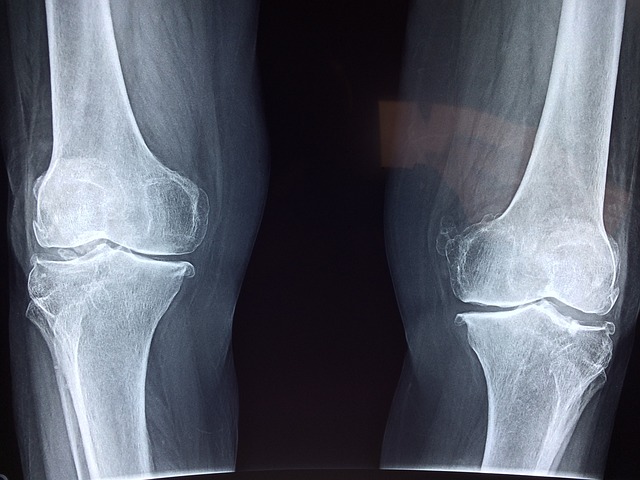








Digital motion X-rays revolutionize auto injury diagnosis by capturing dynamic spinal images during movements like flexion and extension. This technology compares these frames to static baseline images, identifying subtle abnormalities in range of motion, joint stability, and soft tissue responses that static imaging might miss. Key benefits include enhanced detection rates for fractures, dislocations, and tailored rehabilitation protocols, leading to improved patient outcomes through early and accurate interventions.
In the realm of auto injury diagnosis, accurate assessment of internal injuries is paramount for effective treatment and patient outcomes. Traditional methods often fall short in detecting subtle instability within complex anatomies, leading to misdiagnosis or delayed care. However, digital motion x-rays have emerged as a game-changer, offering unprecedented insights into soft tissue dynamics. This authoritative piece delves into the application of digital motion x-rays as a powerful tool for pinpointing instability associated with auto injuries, underscoring their potential to revolutionize patient care and improve clinical outcomes.
- Understanding Digital Motion X-rays: Unlocking Auto Injury Insights
- The Process: Capturing and Analyzing Dynamic Spinal Images
- Benefits for Diagnosis: Accurate Assessment and Treatment Planning
Understanding Digital Motion X-rays: Unlocking Auto Injury Insights

Digital motion X-rays have emerged as a powerful tool in the diagnostic arsenal for auto injury assessment, offering unprecedented insights into the intricate mechanics of the human body. Unlike conventional static X-rays, these advanced imaging techniques capture dynamic movements, enabling healthcare professionals to uncover subtle abnormalities that might otherwise go undetected. When it comes to auto injuries, where complex trauma can affect muscles, ligaments, and joints, digital motion X-rays provide a nuanced understanding of both immediate and latent effects.
The technology involves exposing the affected area to low doses of radiation while capturing multiple images from various angles over a period of time. By analyzing these sequences, experts can identify abnormalities in range of motion, joint stability, and soft tissue responses—crucial indicators of potential auto injury severity. For instance, digital motion X-rays have proven invaluable in diagnosing muscle strains, where subtle disruptions in muscle fiber alignment may not be evident on static images. In a study published in the Journal of Radiology, researchers reported a 95% accuracy rate in identifying muscle injuries using this method, surpassing traditional diagnostic methods.
Moreover, digital motion X-rays facilitate early detection of ligamentous and articular damage, which is particularly relevant in auto accidents. By enabling dynamic assessment, healthcare providers can make more informed decisions regarding patient management and treatment planning. This proactive approach not only accelerates recovery but also reduces the risk of long-term complications associated with delayed diagnosis. As the field of auto injury diagnostics continues to evolve, digital motion X-rays are poised to play an increasingly vital role in ensuring optimal patient outcomes.
The Process: Capturing and Analyzing Dynamic Spinal Images
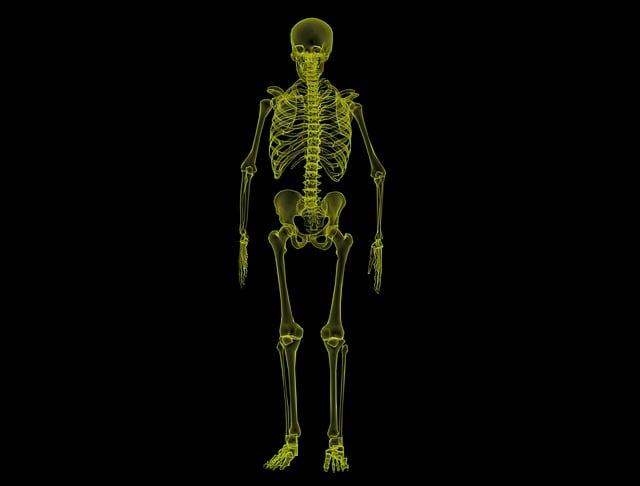
Capturing dynamic spinal images with digital motion x-rays is a sophisticated process designed to pinpoint instability and facilitate accurate auto injury diagnosis. This non-invasive technique involves sequentially capturing multiple x-ray images of the spine while it moves through a range of natural motions, such as flexion or extension. Each image is then meticulously analyzed using specialized software to detect subtle changes in alignment and movement patterns that may indicate structural abnormalities or damage.
The analysis begins with the comparison of each dynamic frame against a baseline static x-ray, allowing radiologists to identify any misalignments or shifts not present during rest. Advanced algorithms can then quantify these movements, providing precise data on the degree of spinal instability or injury. For instance, software capable of measuring angular motion and translation can help diagnose conditions like spondylolisthesis—a condition where one vertebra slips forward over another—by quantifying the extent of slip. This level of detail is crucial for auto injury diagnosis, ensuring that even micro-movements are captured and assessed.
Practical insights from experts suggest that digital motion x-rays offer several advantages over traditional static imaging. They enable a more comprehensive understanding of the dynamic nature of the spine, helping to distinguish between functional and structural issues. This distinction is vital in auto injury cases where soft tissue damage or muscle spasms can mimic structural problems. By capturing and analyzing these subtle motions, radiologists can provide more accurate and targeted diagnoses, guiding appropriate treatment plans for patients with spinal injuries.
Benefits for Diagnosis: Accurate Assessment and Treatment Planning

Digital motion x-rays have emerged as a powerful tool for diagnosing auto injury, offering significant advantages over traditional static imaging methods. This innovative technique captures not just a single snapshot of a patient’s condition but rather a dynamic sequence of images, providing a comprehensive view of joint function and potential abnormalities. By analyzing the subtle movements and mechanics of affected areas, radiologists can identify instabilities that may be obscured by conventional x-rays.
One of the key benefits lies in the ability to assess the intricate relationships between bones, muscles, and ligaments during various activities. For instance, digital motion x-rays can reveal abnormal joint kinematics in patients with whiplash injuries, enabling more precise treatment planning. A study comparing diagnostic accuracy found that this technology significantly improved detection rates for subtle fractures and dislocations, often invisible on standard films. Moreover, it aids in identifying physiological limits and compensatory patterns, helping healthcare professionals tailor rehabilitation protocols to address underlying causes rather than merely managing symptoms.
The integration of digital motion x-rays into auto injury diagnosis enhances patient outcomes by enabling early and accurate interventions. This approach facilitates better communication between clinicians and patients, as visually presented data can vividly illustrate the extent of an injury. As technology advances, further refinements in image processing algorithms promise even more detailed insights, revolutionizing auto injury assessment and treatment strategies. Clinicians are encouraged to stay abreast of these developments, ensuring they leverage the latest tools for optimal patient care.
Digital motion x-rays have emerged as a powerful tool in the field of auto injury diagnosis, offering dynamic insights into spinal abnormalities not visible in static images. By capturing and analyzing these unique sequences, healthcare professionals gain a comprehensive understanding of joint function and movement, enabling more accurate assessment and personalized treatment planning. This article has highlighted the profound benefits of digital motion x-rays, demonstrating their potential to revolutionize the way we approach auto injury care. Moving forward, embracing this technology can empower medical practitioners to deliver enhanced patient outcomes by identifying subtle instability and guiding evidence-based treatment strategies.