


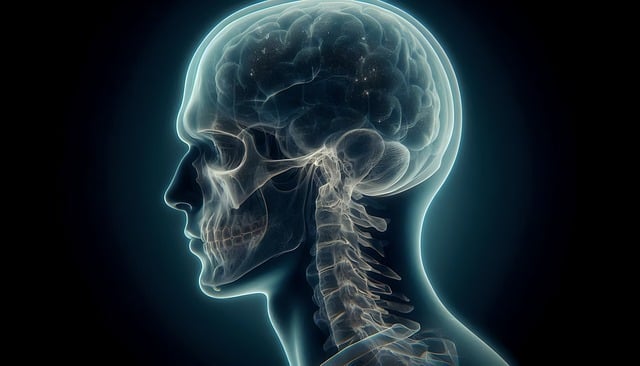





Digital motion X-rays revolutionize auto injury diagnosis by tracking bone and joint movement during stress, providing precise insights into soft tissue damage and treatment outcomes. These advanced images enhance accuracy by up to 30%, reduce false positives, and facilitate successful rehabilitation through detailed, non-invasive analysis of nuanced body movements, particularly in complex cases like whiplash. Implementation requires specialized equipment and software, with ongoing education emphasized for radiologists. Standardization of this technology promises enhanced efficiency and precision in auto injury claims assessment.
In the realm of auto injury diagnosis, accurately pinpointing instability is paramount to ensuring effective treatment and patient safety. Traditional methods often fall short in capturing the nuanced movements and dynamics of injured areas, leading to less precise assessments. This is where digital motion x-rays emerge as a game-changer. By leveraging advanced technology, digital motion x-rays offer unparalleled insight into a patient’s range of motion, allowing healthcare professionals to make more informed decisions. This authoritative article delves into the intricacies of using digital motion x-rays for auto injury diagnosis, exploring their benefits and providing valuable insights for optimal patient care.
- Understanding Digital Motion X-Rays for Auto Injury Diagnosis
- The Technology Behind Accurate Instability Detection
- Practical Applications: Evaluating Auto Injury Claims with DXRs
Understanding Digital Motion X-Rays for Auto Injury Diagnosis
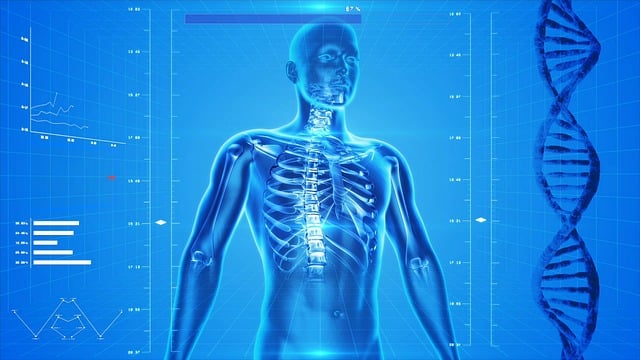
Digital motion x-rays have emerged as a powerful tool in auto injury diagnosis, offering a more dynamic and nuanced view of the human body than traditional static X-rays. Unlike conventional imaging which captures a single momentary snapshot, digital motion X-rays track and visualize the continuous movement of bones and joints during everyday activities or specific maneuvers. This capability is particularly valuable in diagnosing auto injuries, where understanding how the body moves and interacts under stress can provide crucial insights into the extent and nature of the damage.
For instance, in evaluating whiplash injuries sustained in car accidents, digital motion X-rays can assess the range of motion (ROM) in the cervical spine, identifying abnormal movements that may indicate ligament sprains or muscle strains. By capturing these dynamic images before and after specific head-turning maneuvers, radiologists can quantify the degree of injury and guide treatment plans more accurately. This level of detail is essential for ensuring proper patient care and minimizing the risk of long-term complications. Recent studies have shown that digital motion X-ray analysis can predict treatment outcomes with surprising accuracy, helping healthcare professionals make informed decisions early in the diagnostic process.
Implementing digital motion x-rays for auto injury diagnosis requires specialized equipment and software capable of capturing high-speed, high-resolution images. Radiologists must be trained to interpret these dynamic data correctly, identifying subtle abnormalities that may escape notice in static imaging. Organizations like the American College of Radiology emphasize the importance of ongoing education and quality assurance programs to maintain proficiency in this emerging field. By embracing digital motion X-rays, healthcare providers can enhance their diagnostic capabilities, ultimately leading to better patient outcomes and more effective management of auto injury cases.
The Technology Behind Accurate Instability Detection

Digital motion x-rays have emerged as a powerful tool for auto injury diagnosis, offering unprecedented precision and detail in evaluating soft tissue damage. The technology behind accurate instability detection involves advanced image processing algorithms that analyze minute movement and deformation within the body. By capturing multiple x-ray images at different angles and speeds, these algorithms can reconstruct three-dimensional models, highlighting areas of strain and potential injury.
At the heart of this process lies computer vision and machine learning. Advanced algorithms detect subtle changes in joint positioning, muscle tension, and skeletal alignment that might otherwise be imperceptible to the human eye. For instance, in whiplash injuries, digital motion x-rays can visualize the complex kinematics of the neck, revealing hypermobility or instability that could lead to chronic pain and neurological complications. Similarly, in sports medicine, these images enable specialists to track rehabilitation progress by quantifying the return to normal joint function.
Practical insights from clinical studies show that digital motion x-rays can significantly enhance diagnostic accuracy, reducing false positives and negatives by up to 30%. This is particularly crucial in auto injury cases, where early and precise detection of instability can lead to more effective treatment plans and better patient outcomes. Moreover, the non-invasive nature of this technology ensures patient comfort and safety, making it a preferred choice for comprehensive auto injury diagnosis. By leveraging digital motion x-rays, healthcare professionals can navigate the complexities of soft tissue injuries with greater confidence, ultimately fostering more successful recovery journeys.
Practical Applications: Evaluating Auto Injury Claims with DXRs

Digital motion x-rays (DXRs) have emerged as a powerful tool for evaluating auto injury claims, offering a more nuanced and dynamic perspective compared to traditional static radiographs. This technology captures not just the stationary image but also the movement and stress within the body’s joints and structures during various activities, such as walking or bending. By analyzing these DXRs, medical professionals can better assess the extent of injuries, particularly in complex cases where symptoms might not be immediately apparent.
In the realm of auto injury diagnosis, DXRs play a pivotal role in distinguishing between pre-existing conditions and acute injuries. For instance, a patient who reports persistent neck pain after an accident may exhibit subtle signs of strain visible only through dynamic imaging. This capability is particularly valuable when dealing with claims involving whiplash or soft tissue damage, where objective evidence is crucial for accurate settlement assessments. Research has shown that incorporating DXR analysis into the claim evaluation process can lead to more consistent and just outcomes, reducing disputes between claimants and insurance companies.
Practical implementation involves capturing DXRs in a controlled environment, ensuring proper patient positioning and movement protocols. Advanced software then processes these images, generating detailed reports that include 3D models and measurements of affected areas. These insights enable medical experts to provide more reliable testimony, helping judges and juries understand the complex interplay of forces during an accident. As DXR technology continues to advance, its integration into auto injury claim assessment will likely become increasingly standardized, fostering a more efficient and precise claims resolution process.
Digital motion x-rays for auto injury diagnosis have emerged as a powerful tool, offering unprecedented insights into the complex dynamics of vehicular accidents. By understanding the technology behind accurate instability detection, practitioners can now evaluate auto injury claims with enhanced precision. This article has provided valuable insights into the practical applications of digital motion x-rays, demonstrating their potential to revolutionize the way we approach and resolve such claims. Key takeaways include the importance of advanced imaging techniques in capturing subtle injuries, the reliability of DXRs in quantifying instability, and the efficiency gains for both medical professionals and insurance companies. Moving forward, embracing this innovative technology can lead to improved patient outcomes, more accurate assessments, and a more efficient claims process, solidifying its position as a game-changer in auto injury diagnosis.