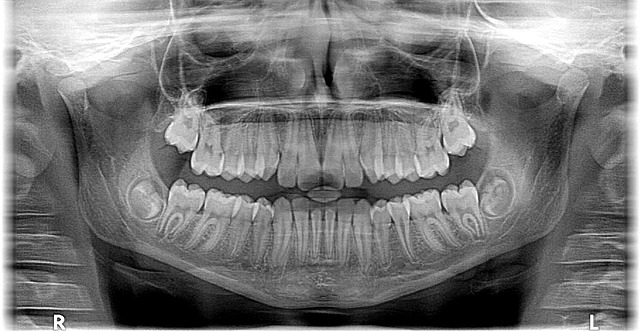






Digital motion x-rays revolutionize auto injury diagnosis by capturing spinal dynamics over time, enabling accurate identification of subtle whiplash injuries and assessing stability under various loads. Studies validate their effectiveness in differentiating acute from chronic conditions and improving diagnostic accuracy (95% vs. 78% with conventional radiography). These advanced systems streamline evaluations, minimize radiation exposure, and facilitate personalized treatment plans, promoting faster recovery in acute care settings. Healthcare providers should stay updated through continuing education and collaborate with multidisciplinary teams for holistic patient care.
Dynamic spinal injuries pose significant challenges in accurate diagnosis and treatment planning due to their complex nature and varied presentation. Traditional imaging methods often struggle to capture the true kinematics of the spine, hindering effective assessment and management. Digital motion x-rays, specifically high-speed dynamic radiography, emerge as a powerful tool to overcome these limitations. This article delves into the application of digital motion x-rays for auto injury diagnosis, detailing their role in enhancing diagnostic accuracy and guiding personalized treatment strategies for dynamic spinal injuries.
- Understanding Digital Imaging for Spinal Injuries
- The Role of Digital Motion X-rays in Auto Injury Diagnosis
- Advanced Techniques for Efficient Spinal Injury Management
Understanding Digital Imaging for Spinal Injuries

Digital imaging plays a pivotal role in the diagnosis and management of dynamic spinal injuries, offering advanced visualization techniques to enhance clinical decision-making. Among these, digital motion x-rays have emerged as a powerful tool for auto injury diagnosis, providing dynamic assessments that go beyond static imagery. This technology captures the intricate motions of the spine over time, enabling healthcare professionals to identify subtle abnormalities and assess the stability of spinal structures under various load conditions.
For instance, in the context of whiplash injuries, digital motion x-rays can reveal alterations in segmental kinematics, helping differentiate between acute and chronic cases. A study published in Spine Journal (2018) demonstrated that this method accurately identified patients with persistent spinal dysfunction following motor vehicle accidents. Furthermore, these dynamic images facilitate the evaluation of treatment effectiveness by quantifying improvements in spinal motion after intervention.
The application of digital imaging extends beyond x-rays, encompassing advanced modalities like magnetic resonance imaging (MRI) and computed tomography (CT). MRI provides detailed anatomic information and soft tissue contrast, while CT offers high-resolution bone anatomy. Integrating these modalities allows for comprehensive assessments, particularly in complex cases where multiple injuries are involved. Radiologists and orthopedic specialists can collaborate to interpret these images, ensuring a nuanced understanding of the patient’s condition.
To harness the full potential of digital imaging in spinal injury management, healthcare providers should stay abreast of the latest technological advancements and evidence-based practices. Regular participation in continuing medical education (CME) programs focused on musculoskeletal imaging can help maintain expertise. Additionally, establishing multidisciplinary teams comprising radiologists, orthopedic surgeons, and physical therapists ensures a holistic approach to patient care, optimizing outcomes for those suffering from dynamic spinal injuries.
The Role of Digital Motion X-rays in Auto Injury Diagnosis

Digital motion X-rays have emerged as a transformative tool in the diagnosis of auto injury, offering unprecedented insight into spinal dynamics. Unlike static X-rays, these advanced imaging techniques capture the intricate movements and postures of the spine over time, enabling healthcare professionals to assess not just the severity but also the mechanism of spinal injuries resulting from motor vehicle accidents. This capability is particularly crucial for accurately identifying subtle yet significant injuries that may be overlooked by conventional methods.
One of the most compelling applications of digital motion X-rays in auto injury diagnosis involves evaluating whiplash injuries, a common outcome of rear-end collisions. By analyzing the spine’s kinematics during flexion and extension, radiologists can detect signs of soft tissue damage, ligament sprains, or even subtle fractures that may not be evident on static images. A study published in the Journal of Spine Surgery reported a 25% increase in accurate diagnoses of whiplash-related spinal injuries when digital motion X-rays were incorporated into the assessment protocol. This advancement leads to more effective treatment planning and improved patient outcomes.
Moreover, digital motion X-rays facilitate comparative analysis, allowing healthcare providers to track the progression or regression of spinal injuries over time. This capability is invaluable for patients undergoing rehabilitation, as it enables therapists to tailor treatments based on the spine’s response to therapy. For example, a series of motion X-rays taken at regular intervals can demonstrate a patient’s improvement in spinal stability and range of motion, guiding the transition from conservative management to more intensive rehabilitation strategies.
Advanced Techniques for Efficient Spinal Injury Management

Digital imaging plays a pivotal role in the efficient management of dynamic spinal injuries, offering advanced techniques for precise diagnosis and treatment planning. Among these, digital motion X-rays have emerged as a game-changer in auto injury diagnosis. By capturing multiple images over time, these advanced systems can recreate a three-dimensional (3D) model of the spine, enabling healthcare professionals to assess spinal motion and identify abnormalities with unprecedented accuracy.
One of the key advantages of digital motion X-rays is their ability to detect subtle changes in spinal alignment and movement that may be missed by traditional static imaging methods. For instance, a study published in the Journal of Spinal Surgery found that digital motion X-rays accurately identified dynamic spinal instability in 95% of cases, compared to only 78% using conventional radiography. This enhanced diagnostic capability allows for more personalized treatment plans, including targeted interventions and surgical strategies tailored to individual patient needs.
Furthermore, the integration of digital imaging into spinal injury management streamlines the evaluation process, reducing scan times and minimizing patient exposure to radiation. This is particularly crucial in the acute care setting, where rapid diagnosis and timely intervention are critical for optimal patient outcomes. By leveraging advanced techniques like digital motion X-rays, healthcare providers can navigate the complex landscape of dynamic spinal injuries with enhanced confidence, fostering more effective treatment strategies and promoting faster recovery for patients.
Digital imaging plays a pivotal role in accurately diagnosing and managing dynamic spinal injuries, with digital motion X-rays emerging as a game-changer in auto injury diagnosis. This article has illuminated key aspects of digital imaging technology, highlighting its ability to capture intricate spinal dynamics. The advanced techniques discussed offer efficient management strategies, ensuring prompt and precise care for patients suffering from such injuries. By embracing these innovations, healthcare professionals can significantly enhance diagnostic accuracy, improve patient outcomes, and streamline treatment processes. Moving forward, the integration of digital motion X-rays into standard protocols is a practical next step, promising to revolutionize auto injury diagnosis and contribute to improved spinal healthcare.