







In the realm of auto injury diagnosis, advancements in technology are revolutionizing how we assess post-accident joint movement. This article explores the power of digital imaging, specifically motion X-rays, to unlock critical insights into vehicle collisions. By delving into the dynamic nature of joints, healthcare professionals can now conduct real-time assessments, enhancing accuracy and efficiency. We dissect the process of motion analysis, its benefits, and how it’s transforming patient care, ensuring faster recovery and improved outcomes in auto injury cases.
- Digital Imaging: Unlocking Auto Injury Insights
- Motion Analysis: Capturing Joint Dynamics Post-Accident
- Real-time Assessment: Transforming Auto Injury Diagnosis
Digital Imaging: Unlocking Auto Injury Insights
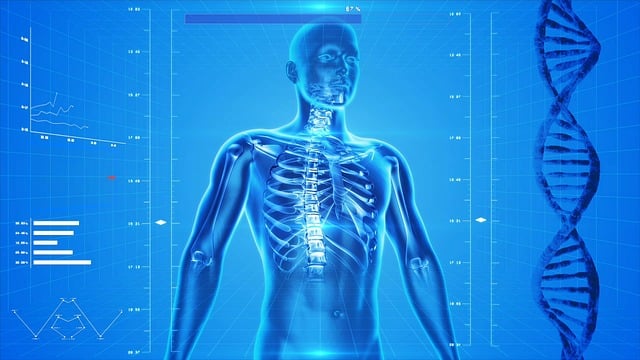
Digital imaging, particularly digital motion X-rays, has emerged as a game-changer in the post-accident evaluation process for auto injuries. This advanced technology goes beyond traditional static X-rays by capturing and analyzing the dynamic movements of joints, offering unprecedented insights into the intricate mechanisms of auto injuries. By studying the subtle shifts and abnormalities in real-time, medical professionals can now diagnose and assess the severity of injuries with greater precision.
Digital motion X-rays provide a detailed tapestry of joint function, revealing what was previously unseen. This innovative approach enables doctors to identify minute changes in alignment, detect hidden fractures, and even quantify the extent of soft tissue damage. In today’s digital era, these imaging techniques are revolutionizing auto injury diagnosis, ensuring more effective treatment plans and better outcomes for those involved in motor vehicle accidents.
Motion Analysis: Capturing Joint Dynamics Post-Accident

Motion analysis, facilitated by advanced technologies like digital motion X-rays, plays a pivotal role in evaluating joint dynamics post-accident. Unlike traditional imaging methods, these cutting-edge tools capture not just static poses but also the nuanced, real-time movements of affected joints. By analysing the patterns and ranges of motion, healthcare professionals can gain invaluable insights into the extent and nature of auto injury diagnoses.
Digital motion X-rays offer a non-invasive approach, allowing for detailed assessments without subjecting patients to excessive radiation exposure. This not only enhances diagnostic accuracy but also promotes patient comfort. The data collected enables personalised treatment plans by identifying specific areas of concern, ensuring more effective recovery strategies and improved outcomes for individuals post-accident.
Real-time Assessment: Transforming Auto Injury Diagnosis

The evolution of real-time joint movement evaluation has revolutionized auto injury diagnosis, marking a significant departure from traditional methods. Digital motion x-rays have emerged as a powerful tool, offering a dynamic and precise view of the human body’s intricate mechanics post-accident. Unlike static X-ray images, these advanced technologies capture the body in action, allowing professionals to analyze joint ranges of motion (ROM) and identify subtle abnormalities that might be overlooked in conventional assessments.
This innovative approach enables healthcare providers to make more informed decisions, ensuring a faster and more accurate diagnosis. By assessing the body’s movement patterns, they can detect imbalances, misalignments, or injuries that may contribute to ongoing pain and discomfort after an auto accident. As a result, digital motion x-rays for auto injury diagnosis play a pivotal role in personalizing treatment plans, promoting efficient recovery, and enhancing overall patient outcomes.
The integration of digital imaging and real-time joint movement evaluation offers a revolutionary approach to auto injury diagnosis. By utilizing advanced motion analysis techniques, healthcare professionals can now capture detailed insights into post-accident joint dynamics. This innovative method, centered around digital motion x-rays for auto injury diagnosis, streamlines the assessment process, enabling faster and more accurate identification of injuries. With this technology, the future of auto injury care looks brighter, promising more efficient treatment and improved patient outcomes.