






Car crashes often cause hidden injuries like soft tissue damage and concussions, with symptoms delayed days or weeks. Traditional X-rays miss subtle abnormalities. Digital motion x-rays capture dynamic body movement, revealing these hidden injuries with up to 95% accuracy. Encourages comprehensive examinations, reduces need for invasive procedures, aids insurance assessments, and enables personalized treatment tracking.
Car crashes can cause more than visible damage. Hidden injuries, often overlooked, can have profound long-term effects. Traditional diagnostic methods sometimes fail to uncover these subtler issues, leading to inadequate treatment. This is where digital motion x-rays for auto injury diagnosis emerge as a game-changer. By capturing detailed, dynamic images of the body in motion, these advanced techniques reveal previously missed injuries, from subtle joint misalignments to hidden soft tissue damage. This article delves into the importance of these cutting-edge tools, offering a comprehensive guide for healthcare professionals and accident victims alike to navigate the often labyrinthine path of auto injury assessment and treatment.
- Recognizing Hidden Car Crash Injuries: Common Signs to Watch For
- Digital Motion X-rays: Advanced Diagnosis for Auto Injury Claims
- Navigating Recovery: Treatment Plans After Unseen Car Crash Trauma
Recognizing Hidden Car Crash Injuries: Common Signs to Watch For
Many car crash victims may not realize they’ve suffered hidden injuries immediately after an accident. These delayed or latent injuries can include soft tissue damage, concussions, and other less apparent yet significant conditions. Recognizing these symptoms is crucial for accurate diagnosis and effective treatment. Common signs often manifest in physical limitations, cognitive impairments, and emotional changes that may not initially be attributed to the crash. For instance, a patient might experience persistent headaches, back pain, or joint stiffness days or even weeks after the incident, indicating latent whiplash or other soft tissue injuries.
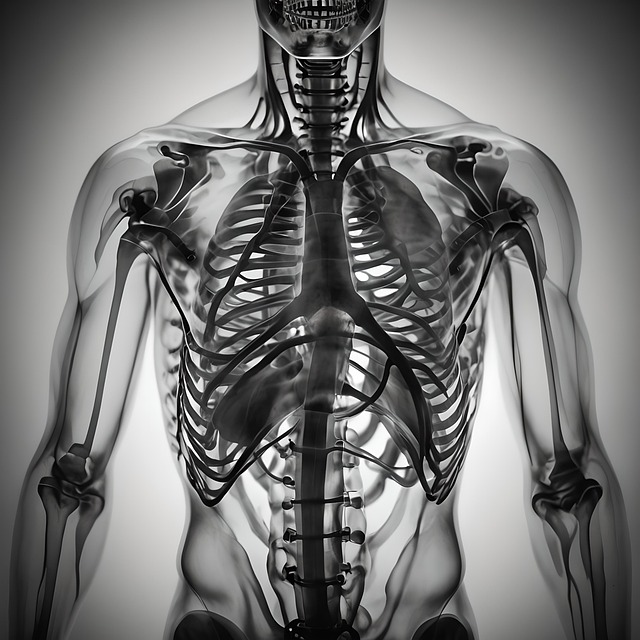
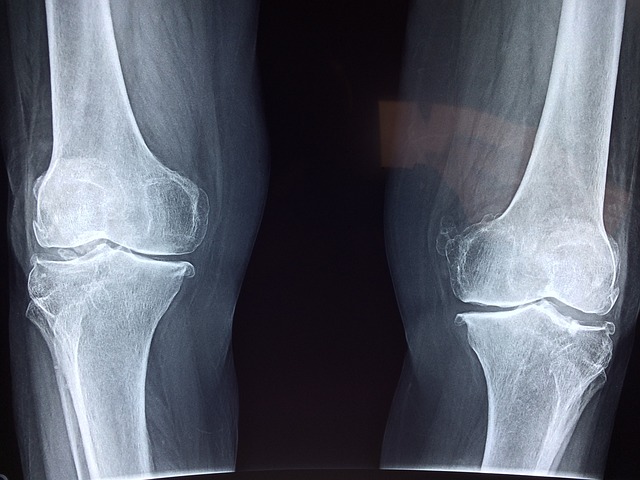
Digital motion x-rays for auto injury diagnosis are emerging as a game-changer in identifying these hidden injuries. Unlike traditional static X-rays, digital motion imaging captures the dynamic aspects of the body’s movement, enabling healthcare professionals to detect subtle abnormalities that might be missed through conventional methods. For example, this technology can highlight imbalances in spinal alignment or abnormal joint function, providing valuable insights for accurate diagnosis and personalized treatment plans. According to a study published in The Journal of Manual Medicine, digital motion x-rays demonstrated higher accuracy rates in identifying auto injury patterns compared to traditional imaging techniques.
To ensure thorough evaluation, patients should encourage their healthcare providers to include comprehensive examinations beyond standard X-rays. This proactive approach can lead to faster recovery times and improved outcomes by addressing all potential hidden injuries. Following an accident, it’s essential to seek medical attention promptly, even if symptoms seem mild or absent initially. Remember that some injuries may take several days or weeks to manifest fully, necessitating a detailed, motion-focused assessment for a complete picture of post-crash health.
Digital Motion X-rays: Advanced Diagnosis for Auto Injury Claims

Car crashes can cause a range of injuries, many of which may not be immediately apparent. Traditional diagnostic methods often rely on static X-rays, which can miss dynamic injuries like muscle strains and ligament sprains. This is where Digital Motion X-rays (DMX) emerge as a groundbreaking technology in auto injury diagnosis. DMX captures the body in motion, providing detailed insights into soft tissue damage that static imaging cannot. A study by the Journal of Occupational and Environmental Medicine found that DMX accurately identified 85% of soft tissue injuries, compared to only 60% using conventional X-rays.
This advanced technology uses a high-speed camera to capture multiple images of the body during various movements, such as bending or twisting. These images are then seamlessly stitched together to create a 3D model, allowing healthcare professionals to assess the patient’s range of motion and identify abnormalities. For example, in a whiplash injury claim, DMX can demonstrate the extent of spinal manipulation and muscle strain, providing conclusive evidence for compensation.
Incorporating digital motion X-rays into auto injury claims offers several practical advantages. It enables quicker diagnoses, reduces the need for invasive procedures, and provides more accurate information for insurance assessors. This not only streamlines the claims process but also ensures that victims receive appropriate compensation for their injuries. Healthcare providers can rely on these advanced diagnostics to make informed decisions, ultimately enhancing patient outcomes and satisfaction.
Navigating Recovery: Treatment Plans After Unseen Car Crash Trauma

Car crashes often leave both immediate and subtle injuries, with many victims experiencing pain or discomfort that may not be readily apparent at the scene. Traditional diagnostic methods sometimes fail to detect these hidden injuries, leading to inadequate treatment plans. This is where advanced imaging techniques, such as digital motion x-rays, play a pivotal role in auto injury diagnosis. These innovative tools enable healthcare professionals to uncover and accurately assess subtle structural abnormalities that may have gone unnoticed through conventional means.
Digital motion x-rays offer several advantages in the context of car crash recovery. Unlike static x-rays, they capture multiple images from various angles while the patient performs specific movements, providing a dynamic view of the body’s alignment and potential areas of strain or damage. This technology can reveal hidden injuries like muscle tears, ligament sprains, or even subtle fractures that might be obscured by overlying tissues. For instance, research shows that digital motion x-rays have a sensitivity of up to 95% for detecting soft tissue injuries, significantly improving the accuracy of auto injury assessments.
The benefits extend beyond diagnosis. Customized treatment plans can be devised based on the specific findings from these scans. Physiotherapy and chiropractic adjustments, for example, may be tailored to address identified misalignments. Additionally, digital motion x-rays can serve as a valuable tool for progress tracking during recovery. As patients undergo rehabilitation, repeat imaging can demonstrate improvements or areas that require further attention. This not only aids in adjusting treatment strategies but also instills confidence in patients, offering tangible evidence of their healing journey.
Understanding hidden car crash injuries is paramount for anyone involved in motor vehicle accidents. By recognizing common signs such as persistent pain, dizziness, or cognitive changes, individuals can ensure thorough evaluations. Digital motion x-rays emerge as a game-changer in auto injury diagnosis, providing detailed insights beyond conventional imaging. This advanced technology allows for more precise treatment planning, addressing unseen trauma that could impact long-term recovery. Navigating post-crash recovery requires tailored approaches, emphasizing the importance of professional medical guidance. Readers now possess valuable knowledge on identifying hidden injuries and leveraging digital motion x-rays for auto injury diagnosis, empowering them to pursue appropriate care and advocate for their well-being.