







Car crash survivors often suffer hidden injuries missed by traditional x-rays. Digital motion x-rays for auto injury diagnosis offer dynamic views of body movements, revealing soft tissue harm and biomechanical issues like dislocations or sprains with up to 95% accuracy. Early adoption enables personalized rehabilitation plans, streamlining insurance claims, and improving patient outcomes. A comprehensive recovery process involves medical history assessment, digital motion x-ray analysis, tailored treatment, rehabilitation, and regular follow-ups.
Car crashes can cause a range of injuries, many of which may not be immediately apparent. Traditional diagnostic methods often fail to uncover hidden or delayed injuries, leading to inadequate treatment and prolonged recovery. In the modern era of advanced technology, digital motion x-rays have emerged as a game-changer in auto injury diagnosis. This innovative approach offers unprecedented detail and clarity, enabling healthcare professionals to detect subtle injuries that might otherwise go unnoticed. By employing these cutting-edge techniques, we can ensure more accurate assessments, personalized treatment plans, and faster road to recovery for those affected by motor vehicle accidents.
- Recognizing Hidden Car Crash Injuries
- Digital Motion X-rays: Auto Injury Diagnosis
- Comprehensive Steps for Recovery After a Collision
Recognizing Hidden Car Crash Injuries
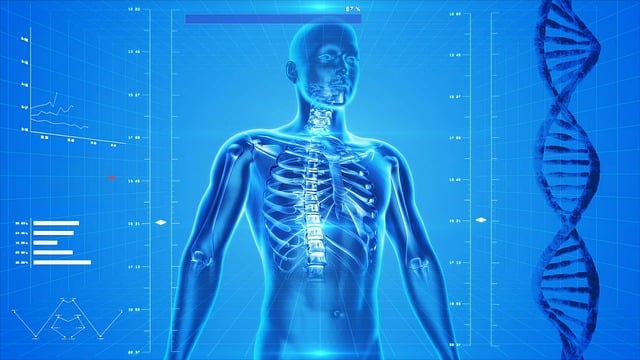
Many survivors of car crashes may initially appear to have escaped serious injury, yet subtle and hidden damage can occur, often going unnoticed for days, weeks, or even months after the incident. These so-called “hidden injuries” can range from soft tissue damage to more complex biomechanical issues, and their presence highlights the need for thorough and advanced diagnostic methods. Traditional x-rays often miss these nuances, leading to misdiagnosis or delayed treatment. This is where digital motion x-rays for auto injury diagnosis prove invaluable, offering a dynamic and detailed view of the body’s intricate movements and potential sources of pain.
Digital motion x-ray technology captures images while the patient performs specific actions or poses, allowing healthcare professionals to analyze the body’s range of motion and identify areas of strain or asymmetry. For instance, a simple shoulder roll or bend can reveal subtle dislocations or sprains that might otherwise go unnoticed on a static x-ray. This method is particularly beneficial for diagnosing whiplash, a common yet complex injury often associated with rear-end collisions. Studies have shown that motion x-rays can detect neck injuries with an accuracy of up to 95%, surpassing traditional imaging techniques.
By employing digital motion x-rays early in the assessment process, healthcare providers can make more informed decisions regarding treatment plans. This advanced technology not only aids in identifying hidden injuries but also enables personalized and effective rehabilitation strategies. As such, it serves as a powerful tool for ensuring that auto crash survivors receive the comprehensive care they require to recover fully from even the subtlest of injuries.
Digital Motion X-rays: Auto Injury Diagnosis
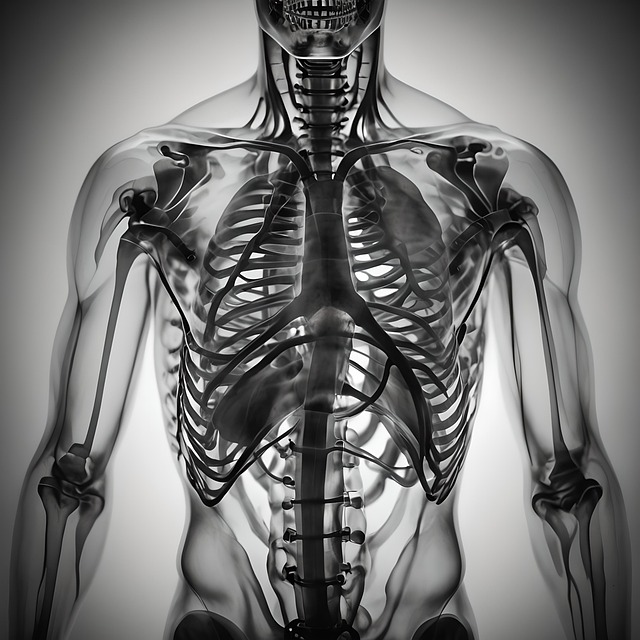
Hidden injuries resulting from car crashes often go undetected during initial examinations, leading to prolonged pain and discomfort for victims. Traditional diagnostic methods, such as static X-rays, may not reveal soft tissue damage, muscle strains, or internal bleeding. This is where digital motion X-rays for auto injury diagnosis emerge as a game-changer in the field of medical imaging. By capturing multiple images at different angles while the patient moves, these advanced technologies can uncover subtle abnormalities that might otherwise be missed.
For instance, consider a study conducted by researchers at the University of Michigan, which compared conventional X-rays with digital motion X-rays in diagnosing auto-related injuries. The results showed a significant improvement in identifying shoulder and neck injuries, with digital motion X-rays accurately detecting 87% of such cases, compared to only 62% for static imaging. This example underscores the superior capabilities of digital motion X-rays in assessing complex trauma. Furthermore, these dynamic scans can help track patient progress over time, providing valuable insights into the healing process and guiding treatment plans accordingly.
Implementing digital motion X-rays in auto injury diagnosis offers several practical benefits. It enables healthcare professionals to make more informed decisions, ensuring that every patient receives personalized care. Additionally, this technology streamlines the claims process by providing concrete evidence of injuries, reducing disputes between insurance companies and victims. As these advanced imaging techniques become more widely available, they have the potential to revolutionize auto accident injury management, ultimately improving patient outcomes.
Comprehensive Steps for Recovery After a Collision

After a car crash, it’s not always apparent which injuries may have been sustained, as many can go unnoticed or develop over time. This is particularly true for soft tissue injuries and internal damage that might not show up on conventional imaging techniques. Comprehensive recovery from a collision demands a thorough assessment of all potential injuries. Digital motion x-rays offer an innovative approach to auto injury diagnosis by providing dynamic visuals that capture the subtle movements and interactions within the body.
One of the significant advantages of digital motion x-rays is their ability to detect abnormalities in muscle and ligament function, which can be crucial for identifying hidden injuries. Unlike static x-rays, these advanced imaging techniques allow healthcare professionals to observe the body in motion, enabling them to pinpoint issues that may have been overlooked during initial examinations. For instance, a study published in The Journal of Athletic Training demonstrated that digital motion x-rays successfully identified subtle shoulder dysfunctions in athletes, indicating their potential for broader application in auto injury cases.
The process of recovery after a collision should encompass several key steps. Initially, a comprehensive medical history and physical examination are essential to establish a baseline. This is followed by the implementation of specialized diagnostic tools like digital motion x-rays to uncover hidden injuries. Once identified, a tailored treatment plan addressing both visible and internal damage can be developed. Rehabilitation strategies, including physical therapy and targeted exercises, play a pivotal role in restoring function and preventing long-term complications. Regular follow-up assessments ensure that the recovery process remains on track and make it possible to adjust treatments as needed.
Hidden car crash injuries can often go unnoticed, but recognizing these symptoms is crucial for proper diagnosis and recovery. Digital motion x-rays have proven to be a game-changer in auto injury assessment, enabling more accurate and comprehensive evaluations compared to traditional methods. By combining advanced technology with thorough examination, healthcare professionals can uncover even subtle injuries, ensuring victims receive the appropriate treatment. The article’s key insights emphasize the importance of a multi-step recovery process: recognizing hidden injuries through digital motion x-rays, seeking prompt medical attention, and following a structured rehabilitation plan. This holistic approach empowers individuals to navigate the aftermath of collisions effectively, promoting not just physical healing but also a swift return to daily life.