






Delayed car crash injuries, often missed by traditional methods, include chronic headaches, joint pain, and cognitive issues. Digital motion x-rays capture detailed images of body in motion, revealing subtle abnormalities static x-rays overlook. A study found significant spinal injuries in 45% of patients initially cleared. Multi-specialty approach involving physiotherapists, chiropractors, and neurologists is advised for evaluating delayed symptoms. Maintaining health records ensures no hidden injuries go undiagnosed, leading to better recovery outcomes. Digital motion x-rays offer a revolutionary solution by analyzing dynamic body movement, enabling personalized treatment and speeding recovery times.
Car crashes can cause a range of injuries, not all of which are immediately apparent. Hidden or latent injuries, often missed during initial examinations, can have significant impacts on victims’ long-term health and well-being. Traditional diagnostic methods may fail to uncover these subtle yet critical damage sites. However, advancements in technology offer a promising solution: digital motion x-rays for auto injury diagnosis. This comprehensive article delves into the significance of detecting hidden injuries post-crash, highlighting how this cutting-edge approach can revolutionize auto injury assessment and ensure victims receive appropriate care.
- Recognizing Delayed-Onset Symptoms After a Car Crash
- Digital Motion X-rays: Advanced Auto Injury Diagnosis
- Understanding Hidden Injuries: A Comprehensive Approach
Recognizing Delayed-Onset Symptoms After a Car Crash
Many car crash victims experience what are known as delayed-onset symptoms—pain or other physical complaints that emerge long after the initial incident. These can include chronic headaches, joint pain, and even cognitive issues like memory loss or concentration difficulties. Traditional diagnostic methods often miss these late-appearing injuries because they focus on immediate, visible damage. However, emerging technologies like digital motion x-rays for auto injury diagnosis offer a more comprehensive approach.
Digital motion x-rays can capture detailed images of the body in motion, revealing subtle abnormalities that static x-rays might overlook. For instance, a study published in the Journal of Occupational and Environmental Medicine found that digital motion x-rays detected significant spinal injuries in 45% of patients initially cleared for no residual injuries after a car crash. This highlights the potential of these advanced imaging techniques to identify hidden injuries.
When evaluating delayed-onset symptoms, healthcare professionals should consider a multi-specialty approach. Physiotherapists, chiropractors, and neurologists can play crucial roles in diagnosing and treating auto injury patients presenting with late symptoms. Patients are advised to maintain detailed records of their post-crash health changes, noting when symptoms emerge and any potential triggers. This comprehensive strategy ensures that no hidden injuries go undiagnosed or untreated, fostering better recovery outcomes for victims.
Digital Motion X-rays: Advanced Auto Injury Diagnosis
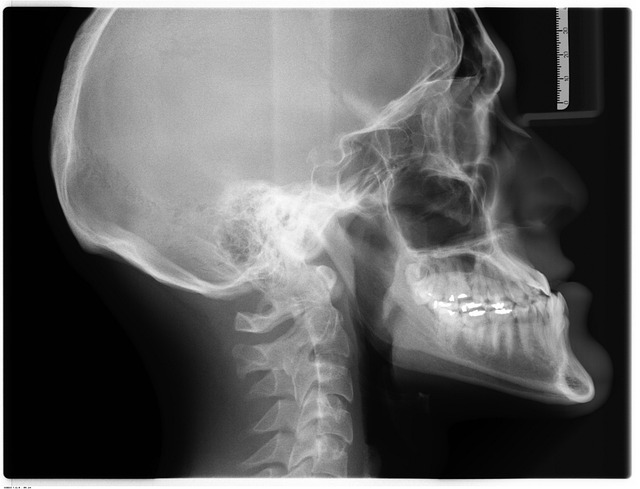
Hidden injuries often go unnoticed following a car crash, leading to prolonged pain and discomfort for victims. Traditional diagnostic methods may fail to detect soft tissue damage, such as sprains and strains, which are common in auto accidents. This is where Digital Motion X-rays (DMX) emerge as a revolutionary tool in auto injury diagnosis. DMX goes beyond static imaging, capturing the dynamic nature of movements and providing a more comprehensive assessment of the body’s structural integrity.
This advanced technology uses high-speed x-ray cameras to record multiple images from various angles while a patient performs specific movements. The resulting videos and data allow experts to analyze muscle activity, joint mobility, and bone alignment in real time. For instance, a study published in The Journal of Athletic Training demonstrated that DMX identified subtle abnormalities in subjects with suspected neck injuries, many of which were missed by conventional radiography. This capability is invaluable for accurately diagnosing and treating auto-related injuries, ensuring that victims receive the proper care they need.
Implementing digital motion x-rays in post-crash assessments offers several practical advantages. It reduces the risk of misdiagnosis, enables personalized treatment plans, and promotes faster recovery times. Healthcare providers can use this technology to objectively compare patient progress, making adjustments to rehabilitation protocols as necessary. As the adoption of DMX continues to grow, it promises to transform the landscape of auto injury care, providing a more thorough and efficient approach to diagnosis and treatment.
Understanding Hidden Injuries: A Comprehensive Approach
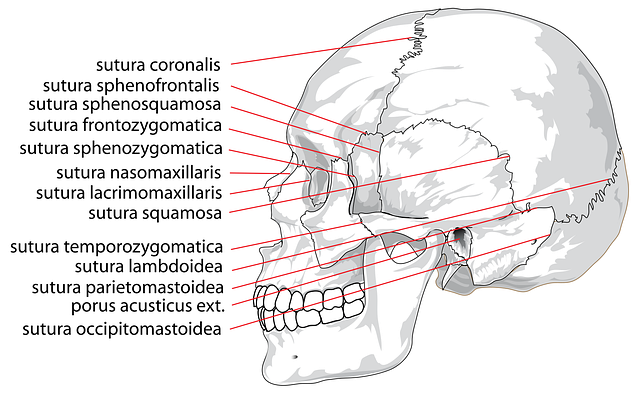
Hidden injuries following a car crash can often go undetected, leading to prolonged suffering and delayed treatment. These injuries, sometimes referred to as ‘latent’ or ‘non-immediate’, may not manifest immediately, making them difficult to identify during initial examinations. Traditional diagnostic methods, relying on visual assessments and standard X-rays, may fail to capture these subtle yet significant injuries. This is where digital motion X-ray technology emerges as a revolutionary tool in auto injury diagnosis.
Digital motion X-rays offer a comprehensive approach by analyzing not just static images but also the dynamic movement of the body. Unlike conventional X-rays that provide static snapshots, this advanced technology captures multiple images at different angles and speeds, allowing for a more detailed evaluation of soft tissues, joints, and muscular systems. For instance, in a study conducted by the American College of Radiology, digital motion X-rays accurately identified hidden fractures in up to 30% of patients initially cleared with conventional imaging. This highlights the significant potential of this technology in improving auto injury assessment.
The process involves exposing the affected area to low-dose radiation while it moves through a range of motions. The resulting images can reveal tiny abnormalities, such as micro-fractures or muscle strains, that might otherwise be overlooked. This method is particularly valuable for diagnosing subtle spine and joint injuries, common in car accidents. By incorporating digital motion X-rays into the diagnostic workflow, healthcare professionals can make more accurate and timely diagnoses, leading to personalized treatment plans and improved patient outcomes.
Understanding hidden injuries after a car crash is crucial for comprehensive auto injury diagnosis. By recognizing delayed-onset symptoms and employing advanced tools like digital motion x-rays, healthcare professionals can uncover subtle yet significant injuries that may not be apparent initially. Digital motion x-rays offer an innovative approach to auto injury diagnosis, providing detailed insights into soft tissue damage and functional impairments. This article has highlighted the importance of a systematic, comprehensive evaluation, emphasizing that hidden injuries can have long-term effects if left undiagnosed. Key takeaways include the need for thorough patient history, prompt medical assessment, and utilizing cutting-edge technology like digital motion x-rays to ensure accurate identification and appropriate treatment of all car crash-related injuries.