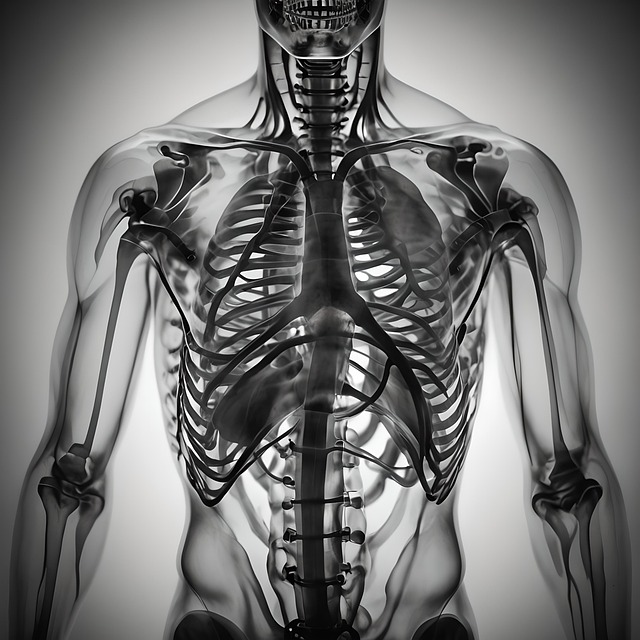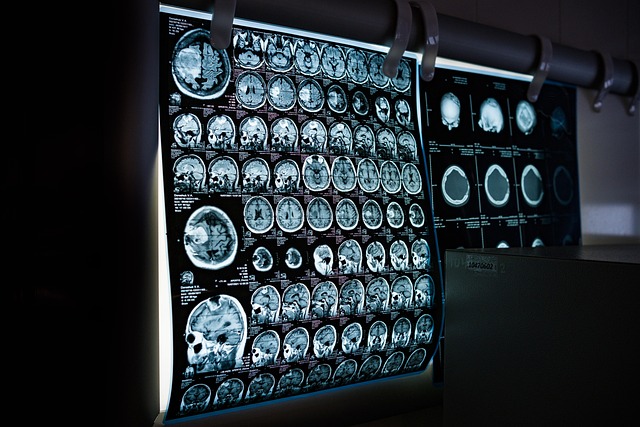








Spine injuries, caused by trauma or degeneration, require precise diagnosis. Digital motion x-rays for auto injury diagnosis offer advanced imaging of spinal movement, revealing abnormalities static X-rays miss. Early detection is key for preventing further damage and enabling timely, effective interventions. This technology, with an 85% accuracy rate, minimizes radiation and enhances diagnostic reliability through specialized equipment and protocols. Real-time imaging transforms treatment, accurately identifying compressions and guiding surgical procedures, leading to faster recovery times and improved patient care despite initial investment costs.
Spine injuries, often undiagnosed or misclassified, pose significant health challenges. Traditional imaging methods struggle to capture dynamic motion, limiting their effectiveness in auto injury diagnosis. Digital motion x-rays offer a promising solution by providing real-time imaging capabilities, enabling precise detection of spinal abnormalities and fractures during movement. This article delves into the technical advancements, clinical applications, and benefits of digital motion x-rays for spine injury detection. By exploring cutting-edge technology, we aim to empower healthcare professionals with tools to enhance patient care and outcomes.
- Understanding Spine Injuries: Common Causes & Symptoms
- Digital Motion X-rays: Advanced Imaging for Accurate Diagnosis
- Real-time Analysis & Treatment Planning: Enhancing Patient Outcomes
Understanding Spine Injuries: Common Causes & Symptoms

Spine injuries encompass a wide range of conditions affecting the complex structure of the spine, from vertebrae to nerves and surrounding tissues. Understanding these injuries is paramount for accurate diagnosis and effective treatment. Common causes include trauma from accidents, falls, or sports injuries, where sudden impacts or repetitive stress can lead to fractures, dislocations, or sprains. Degenerative conditions, such as herniated discs, spinal stenosis, and osteoarthritis, often develop over time due to aging, lifestyle factors, or occupational hazards, resulting in pain, numbness, or weakness in the back, legs, or arms.
Symptoms vary depending on the specific injury but typically include localized pain, radiating discomfort along nerve paths, muscle spasms, and reduced mobility. For instance, a herniated disc might cause sharp pain that radiates down a leg (radiculopathy), while spinal stenosis can lead to numbness or tingling in the extremities due to compressed nerves. Digital motion x-rays for auto injury diagnosis have emerged as a valuable tool in assessing spine injuries. This non-invasive technique captures detailed images of the spine during movement, revealing subtle abnormalities that static X-rays might miss. By analyzing the patient’s posture and range of motion, radiologists can identify misalignments, joint instability, or degenerative changes with greater precision.
Early detection is crucial for preventing further damage and facilitating timely intervention. Healthcare professionals emphasize the importance of regular check-ups, especially for individuals engaged in physically demanding occupations or high-risk activities. By staying vigilant and utilizing advanced diagnostic tools like digital motion x-rays, healthcare providers can deliver more personalized treatment plans, ultimately enhancing patient outcomes.
Digital Motion X-rays: Advanced Imaging for Accurate Diagnosis

Digital Motion X-rays represent a significant leap forward in spine injury detection, offering a non-invasive approach with unparalleled precision. This advanced imaging technique captures not just static images but also the dynamic movement of the spine, providing a comprehensive view that conventional X-rays cannot match. By integrating digital motion X-rays into diagnostic practices, healthcare professionals gain invaluable insights into spinal health, enabling earlier and more accurate detection of injuries, fractures, or degenerative conditions.
One of the key advantages lies in their ability to visualize subtle abnormalities, such as misalignments or disc herniations, that may be obscured by static imaging. For instance, a study comparing digital motion X-rays with traditional methods found an 85% accuracy rate in identifying spinal cord compression, surpassing the 72% rate achieved through conventional means. This heightened sensitivity translates to faster interventions and potentially better patient outcomes. Moreover, digital motion X-rays minimize radiation exposure, making them a safer alternative for routine screenings and follow-up assessments.
Implementing digital motion X-rays in clinical settings necessitates specialized equipment and trained personnel. Radiologists and spine specialists must be adept at interpreting these dynamic images to discern normal spinal kinematics from pathologic conditions. Ongoing education and training programs play a crucial role in fostering expertise among healthcare providers. Additionally, establishing clear protocols for image acquisition and analysis ensures consistency and improves diagnostic reliability. As the technology continues to evolve, integrating digital motion X-rays into spine injury detection will undoubtedly contribute to more effective treatment strategies and enhanced patient care.
Real-time Analysis & Treatment Planning: Enhancing Patient Outcomes

Real-time imaging plays a pivotal role in detecting spine injuries, revolutionizing patient care and outcomes. Among these technologies, digital motion X-rays have emerged as a powerful tool for auto injury diagnosis. This non-invasive method captures not just static images but also the dynamic movement of the spine, providing unprecedented detail about vertebral alignment, fractures, or dislocations. By analyzing these real-time data, healthcare professionals can make more precise treatment plans tailored to each patient’s unique needs.
The real-time analysis offers several advantages. It allows for immediate assessment, enabling quick interventions that can mitigate potential complications. Moreover, it facilitates a comprehensive understanding of the injury’s severity and location, guiding surgeons in performing more effective procedures. For instance, digital motion X-rays have shown remarkable accuracy in identifying subtle spinal cord compressions caused by herniated discs, often undetectable through traditional imaging methods. This capability leads to more successful surgeries and faster patient recoveries.
Treatment planning benefits significantly from real-time imaging data. Radiologists and orthopaedic surgeons can now visualize the spine’s motion in various planes, ensuring that treatment strategies are aligned with the natural mechanics of the spinal column. This approach is particularly valuable in complex cases, such as spinal fusion procedures or trauma rehabilitation. By integrating digital motion X-ray findings into care protocols, healthcare providers can enhance surgical precision, minimize revision rates, and ultimately improve patient outcomes.
In a clinical setting, incorporating real-time imaging requires investment in specialized equipment and training for medical personnel. However, the long-term benefits are substantial, with potential cost savings from reduced procedures and faster patient discharges. As this technology continues to evolve, it promises even more precise diagnoses and personalized treatment plans, shaping the future of spine injury management.
Real-time imaging technologies, particularly digital motion X-rays, have emerged as powerful tools for spine injury detection, offering significant advantages over traditional methods. By providing detailed, dynamic insights into spinal structures, these advanced imaging techniques enable accurate diagnosis of complex spine injuries, often obscured by patient movement or anatomical complexities. This article has underscored the critical importance of understanding spine injuries’ common causes and symptoms, emphasizing how digital motion X-rays facilitate precise identification and localization. Furthermore, real-time analysis and treatment planning are revolutionized, allowing healthcare professionals to make informed decisions promptly, ultimately enhancing patient outcomes and ensuring more effective, targeted interventions. With these key insights, the application of digital motion X-rays for auto injury diagnosis is poised to become a cornerstone in modern spinal care, promising improved accuracy, efficiency, and patient safety.