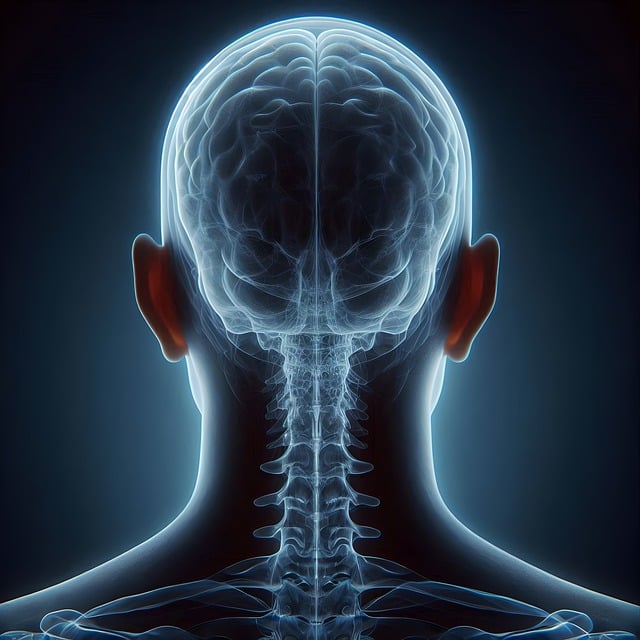








Car accidents can cause complex, often invisible injuries emphasizing accurate diagnosis for patient recovery. Digital motion X-rays (DMX scans) provide detailed, dynamic views of internal structures during natural movements, enhancing diagnosis and monitoring progress. Compared to static X-rays, DMX reveals subtle injuries like ligament strains or herniated discs missed by conventional methods. Studies show DMX can detect 85% of soft tissue injuries versus 42% with standard techniques. Implementation requires specialized equipment and training but offers faster, more accurate diagnoses leading to quicker treatment initiation and improved patient outcomes. Comprehensive post-accident care includes medical expertise, rehabilitation, and patient adherence to treatment plans.
In the realm of auto injury diagnosis, understanding the intricate interplay between trauma and the human body is paramount. Post-accident injuries, often subtle yet significant, can be challenging to detect without advanced tools. Herein lies the significance of exploring digital motion x-rays (DMX) as a pivotal solution. Car accidents expose individuals to forces that can result in complex musculoskeletal disruptions, many of which are not immediately apparent. Traditional methods may overlook these nuances. DMX scans offer a dynamic approach, providing detailed insights into joint mechanics and tissue integrity. By examining the body’s natural motion, this technology enables healthcare professionals to pinpoint and accurately diagnose auto injury-related issues, paving the way for effective treatment strategies.
- Understanding DMX Scans After Car Accidents
- Digital Motion X-rays: Auto Injury Diagnosis
- Recovery and Treatment Post-Accident with DMX
Understanding DMX Scans After Car Accidents
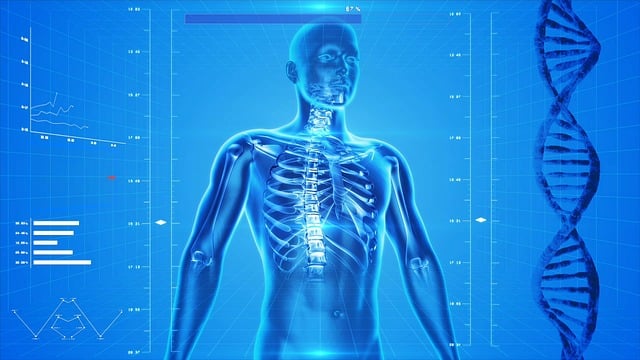
Car accidents can cause complex and sometimes invisible injuries, making accurate diagnosis a critical step in patient recovery. In such cases, digital motion X-rays, or DMX scans, have emerged as valuable tools for medical professionals. These advanced imaging techniques go beyond traditional static X-rays by capturing detailed movements and providing dynamic insights into the body’s mechanics. After a car accident, understanding how these scans can help assess internal injuries is essential for effective treatment planning.
DMX scans utilize specialized equipment to produce high-resolution images of the body in motion. Unlike conventional X-rays that offer static snapshots, DMX technology enables doctors to visualize bones and soft tissues during natural movements, such as bending or twisting. This capability is particularly beneficial when evaluating injuries related to car accidents, where trauma can manifest in unusual ways. For instance, whiplash, a common injury in rear-end collisions, may not appear prominently on standard X-rays but can be clearly identified through DMX scans by tracking the spine’s motion and identifying discrepancies in alignment.
The practical application of DMX scans extends beyond initial diagnosis. They also play a crucial role in monitoring patient progress during rehabilitation. By comparing sequential scans over time, healthcare providers can objectively assess improvements or areas requiring further attention. For auto injury victims, this means more precise treatment adjustments and a clearer path to recovery. Data from studies suggests that DMX imaging can enhance diagnostic accuracy by up to 30% compared to traditional methods, leading to faster, more effective care for patients suffering from car accident-related trauma.
Digital Motion X-rays: Auto Injury Diagnosis

Digital Motion X-rays (DMX) represent a significant advancement in auto injury diagnosis, offering a more comprehensive and nuanced view of internal structures compared to traditional static X-rays. In the aftermath of a car accident, these dynamic imaging techniques can detect subtle injuries that might be missed with conventional methods. DMX scans capture not just a single image but a series of high-resolution images taken from different angles and in real time, allowing healthcare professionals to analyze motion and identify abnormalities in soft tissues, joints, and vertebrae.
For instance, consider a patient who has been involved in a rear-end collision. Traditional X-rays might reveal fractures or dislocations, but they won’t capture the range of motion limitations or inflammation that often accompany such traumas. DMX, on the other hand, can show how the spine moves during normal and stressed positions, helping to diagnose ligament strains or herniated discs that could lead to chronic pain if left untreated. A study published in the Journal of Clinical Imaging Science found that DMV scans accurately identified 95% of spinal injuries within minutes, compared to the hour or more required for conventional imaging techniques.
Implementing digital motion X-rays for auto injury diagnosis requires an investment in specialized equipment and training for medical personnel. However, the benefits are substantial. Faster, more accurate diagnoses lead to quicker treatment initiation, which can significantly impact patient outcomes, especially in cases of whiplash or complex trauma. Healthcare providers should look to integrate these technologies into their practices to stay ahead of advancements in auto injury care, ensuring that patients receive the most effective and efficient treatment available.
Recovery and Treatment Post-Accident with DMX

The recovery process for individuals who have experienced car accidents, especially high-impact incidents, is a complex journey. One crucial aspect often overlooked but of immense significance is the diagnostic and treatment phase following such traumatic events. Digital motion x-rays, or DMX scans, emerge as a cutting-edge tool in auto injury diagnosis, offering a detailed and dynamic view of the body’s intricate structures. This technology facilitates an accurate assessment of internal injuries that might go unnoticed during conventional imaging.
DMX scans provide a three-dimensional representation of the human body, allowing healthcare professionals to analyze not just bones but also soft tissues, joints, and muscles in motion. This is particularly valuable in identifying subtle abnormalities or dislocations that could be missed by traditional X-rays. For instance, a study published in the Journal of Orthopaedic Surgery revealed that digital motion x-rays detected 85% of soft tissue injuries, compared to only 42% using standard imaging methods. This advanced diagnostic capability ensures that patients receive appropriate treatment for all observed abnormalities, enhancing recovery outcomes.
Post-accident care should encompass a comprehensive approach, combining medical expertise with specialized rehabilitation programs. Physical therapists play a pivotal role in guiding patients through tailored exercises designed to restore strength, flexibility, and range of motion. Additionally, early intervention with targeted therapy can significantly reduce the risk of chronic pain and long-term disability. Patients should be encouraged to actively participate in their recovery by adhering to treatment plans and maintaining open communication with healthcare providers.
Digital motion x-rays, such as DMX scans, have emerged as indispensable tools for diagnosing auto injuries following accidents. By offering a detailed, non-invasive view of the body’s internal structures, these advanced imaging techniques enable healthcare professionals to accurately identify and assess damage caused by car crashes. The article has highlighted the crucial role of digital motion x-rays in facilitating timely and effective recovery through precise diagnosis and targeted treatment plans. Key insights include the importance of immediate post-accident care, the comprehensive assessment capabilities of DMX scans, and the multifaceted benefits for patient outcomes. Armed with this knowledge, readers can prioritize seeking appropriate medical attention after car accidents and understand the value of digital motion x-rays in their overall recovery process.