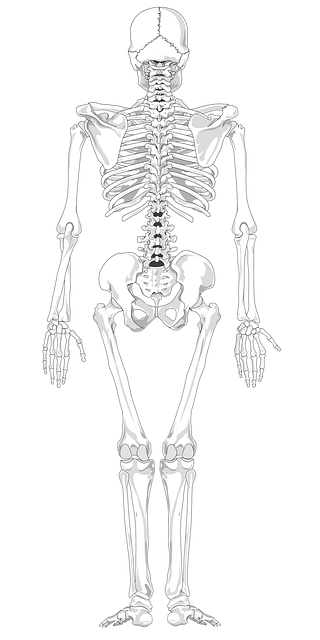








Digital motion X-rays (DMX scans) revolutionize auto injury diagnosis by capturing soft tissue damage and joint dysfunctions beyond traditional bone fractures. These advanced imaging techniques analyze body motion to identify subtle injuries missed by conventional methods, enabling healthcare providers to create accurate treatment plans for comprehensive care of both visible and hidden injuries in victims of car accidents.
“In the realm of auto injuries, every moment counts in diagnosing and treating casualties. Enter DMX scans—a revolutionary tool using digital motion x-rays to assess trauma post-accidents. This cutting-edge technology offers a deep understanding of internal injuries often obscured by external appearances. By facilitating precise diagnoses, DMX scans significantly impact treatment decisions, ensuring folks receive the best care possible. Let’s explore how this game-changer aids in navigating auto injury landscapes.”
- Understanding DMX Scans After Car Accidents
- How Digital Motion X-rays Aid Diagnosis
- The Impact on Auto Injury Treatment Decisions
Understanding DMX Scans After Car Accidents
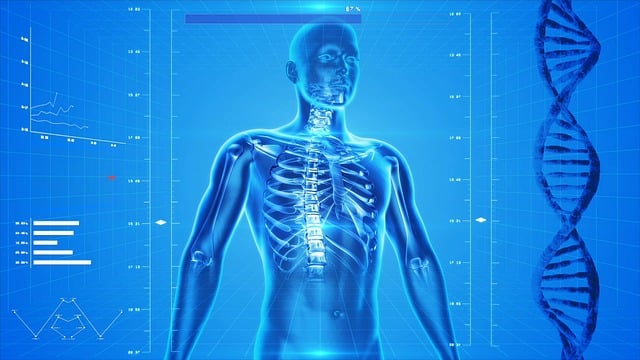
After a car accident, understanding the role of DMX scans (Digital Motion X-rays) in diagnosing auto injuries is crucial. These advanced imaging techniques go beyond traditional X-rays by capturing not only bone fractures but also soft tissue damage and joint dysfunctions. By analyzing the body’s motion and alignment, DMX scans help medical professionals identify subtle injuries that might be missed through conventional diagnostic methods.
In the aftermath of a collision, the human body undergoes complex forces and movements. Digital motion x-rays for auto injury diagnosis capture these dynamic changes, enabling healthcare providers to assess the impact on muscles, ligaments, and connective tissues. This comprehensive evaluation facilitates more accurate treatment plans, ensuring that victims of car accidents receive appropriate care for both visible and hidden injuries.
How Digital Motion X-rays Aid Diagnosis
Digital motion X-rays have revolutionized the way auto injury diagnoses are made, providing a more comprehensive and detailed view of the human body’s internal structures. This advanced technology goes beyond static X-ray images by capturing multiple images at different angles and speeds, allowing healthcare professionals to assess not just bone fractures but also soft tissue damage, muscle strains, and spinal misalignments.
By analyzing the motion and interaction of various body parts, digital motion X-rays offer a dynamic perspective that aids in identifying subtle injuries often associated with car accidents. This is particularly beneficial for patients experiencing pain or discomfort in areas not immediately visible on standard static X-rays. With their ability to detect minute abnormalities, these scans enable more accurate and timely treatment planning, enhancing patient outcomes in the aftermath of traffic collisions.
The Impact on Auto Injury Treatment Decisions

In the realm of auto injury treatment, advancements in medical technology play a pivotal role in shaping decision-making processes. Digital motion X-rays have emerged as a game-changer, offering unprecedented insights into the human body’s intricate structures after a traumatic event like a car accident. This innovative diagnostic tool goes beyond traditional static X-rays by providing dynamic images that capture bone and soft tissue movement. By employing digital motion X-rays for auto injury diagnosis, medical professionals can now assess injuries with greater precision and accuracy.
This technology enables them to detect subtle abnormalities that might be overlooked through conventional methods. As a result, treatment plans are tailored to the specific needs of each patient, ensuring more effective recovery outcomes. In today’s digital era, healthcare providers rely on these advanced imaging techniques to navigate complex cases, ultimately fostering better patient care and improved quality of life for those affected by auto injuries.
DMX scans, or digital motion x-rays, have revolutionized auto injury diagnosis by providing clear, detailed images of internal structures. This non-invasive technology allows healthcare professionals to accurately identify and assess injuries sustained in car accidents, leading to more effective treatment decisions. By leveraging digital motion x-rays, medical experts can ensure better outcomes for patients, offering a modern approach to understanding and addressing auto injury complexities.