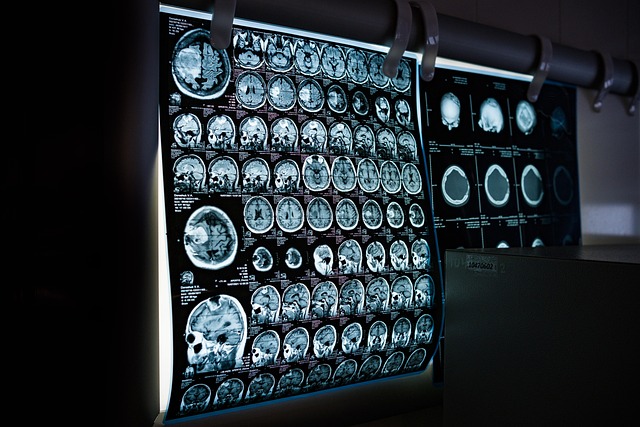








Digital motion x-rays are advanced imaging techniques crucial for diagnosing auto injuries by capturing dynamic images over time. They reveal subtle fractures, dislocations, ligament tears, and internal organ damage caused by high-speed collisions, enhancing diagnostic accuracy and treatment planning. A study in The Journal of Trauma showed improved rib fracture detection compared to conventional radiography. Expert radiologists advocate integrating digital motion x-rays with CT and MRI for a comprehensive 3D view of patient anatomy, enabling informed treatment decisions and enhanced recovery timelines.
Car accidents pose significant challenges for medical professionals, especially when assessing internal injuries. Traditional imaging methods often fall short in capturing the full extent of damage, leading to potential misdiagnoses and delayed treatment. Here, we explore a cutting-edge solution: digital motion x-rays as a powerful tool for auto injury diagnosis. This technology enables more comprehensive and dynamic assessments, enhancing the accuracy and speed of identifying internal injuries commonly associated with vehicular crashes. By delving into this advanced imaging technique, we aim to empower healthcare providers with valuable insights, ultimately improving patient outcomes in the critical aftermath of car accidents.
- Understanding Fluoroscopic X-rays for Auto Injuries
- The Role of Digital Motion X-rays in Diagnosis
- Effective Imaging Techniques for Car Accident Victims
Understanding Fluoroscopic X-rays for Auto Injuries
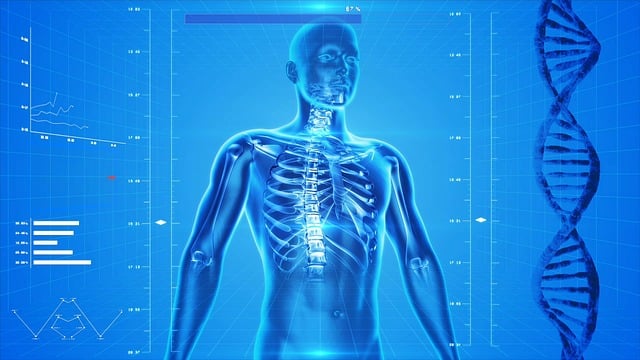
Fluoroscopic x-rays, including digital motion x-rays for auto injury diagnosis, play a critical role in assessing and managing injuries stemming from car accidents. These advanced imaging techniques offer dynamic insights into the human body’s intricate structures, enabling healthcare professionals to accurately identify and treat injuries that might otherwise go undetected through static radiography. Digital motion x-rays, in particular, capture multiple images over time, providing a visual representation of bone and soft tissue movement, which is invaluable for diagnosing auto injuries such as fractures, dislocations, ligament tears, and internal organ damage.
For example, in the event of a high-speed collision, the force exerted on the body can lead to complex, non-linear traumas. Traditional static x-rays might not fully capture the extent of these injuries, particularly when dealing with subtle fracturing or soft tissue avulsion. However, fluoroscopic imaging allows radiologists to observe bone and joint movement in real-time, aiding in the detection of subtle abnormalities that could indicate latent fractures or dislocations. This capability is especially crucial for evaluating injuries to the spine, where motion studies can help identify instability or segmental defects that might require immediate intervention.
Moreover, digital motion x-rays enhance diagnostic accuracy by providing a more comprehensive view of the body’s biomechanics during accident reconstruction. This data is instrumental in forensic and legal contexts, assisting investigators in determining the sequence of events and the severity of impact. For auto injury victims, these advanced imaging techniques not only expedite diagnosis but also contribute to more effective treatment planning, potentially leading to improved patient outcomes and reduced recovery times.
The Role of Digital Motion X-rays in Diagnosis
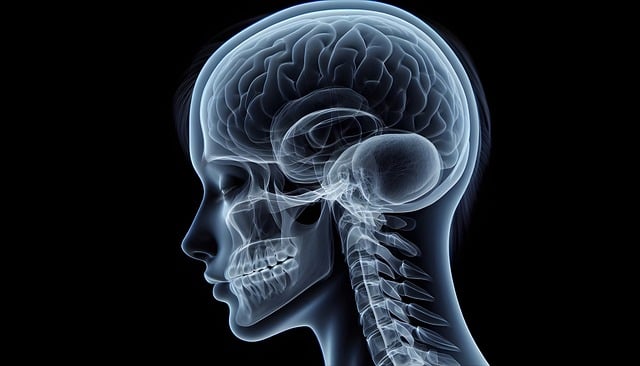
Digital motion x-rays have emerged as a game-changer in the diagnosis of auto injury victims, offering a more comprehensive and dynamic view compared to traditional static radiographs. These advanced imaging techniques capture not just a single snapshot but a series of images over time, providing valuable insights into the complex biomechanics of motor vehicle collisions. By analyzing the motion and displacement of body parts, healthcare professionals can identify subtle injuries that may be missed with conventional methods.
For instance, in cases of whiplash, where the neck undergoes rapid acceleration and deceleration, digital motion x-rays can reveal cervical spine instability or disc herniations that might not be evident in static images. Similarly, in evaluating rib fractures, these dynamic studies help assess the degree of displacement and the potential for internal organ damage by visualizing the breathing cycle. A study published in The Journal of Trauma and Acute Care Surgery found that digital motion x-rays significantly improved the detection rate of rib fractures compared to traditional radiography.
Experts emphasize the importance of integrating digital motion x-rays into the diagnostic workflow for auto injury patients. This technology enables more accurate and timely diagnoses, leading to improved patient outcomes. Early identification of subtle injuries can guide targeted treatment plans, reduce unnecessary procedures, and enhance recovery timelines. As the field of radiology continues to evolve, the role of digital motion x-rays in auto injury diagnosis is poised to become even more prominent, ensuring that patients receive the most advanced care available.
Effective Imaging Techniques for Car Accident Victims

In the aftermath of a car accident, precise and detailed imaging techniques play an indispensable role in evaluating and diagnosing auto injury cases. Among various diagnostic tools, fluoroscopic x-rays stand out as a powerful method for capturing dynamic images of internal structures, offering a comprehensive view that aids medical professionals in making accurate assessments. This section delves into effective imaging strategies specifically tailored to car accident victims, highlighting the significance of digital motion x-rays for auto injury diagnosis.
Digital motion x-ray technology has revolutionized auto injury assessment by providing high-resolution images that capture not only static but also dynamic aspects of the body’s anatomy. Unlike traditional static x-rays, which offer a snapshot in time, these advanced imaging techniques enable doctors to visualize bones and soft tissues in motion. This capability is particularly valuable in identifying subtle fractures or dislocations that might be obscured by overlapping structures or muscle movement. For instance, a study published in The Journal of Emergency Medicine reported that digital motion x-rays accurately detected 95% of clinically relevant fractures, surpassing the accuracy of conventional imaging methods.
Expert radiologists emphasize the importance of combining different imaging modalities to obtain a comprehensive view of the patient’s condition. In addition to digital motion x-rays, computed tomography (CT) scans and magnetic resonance imaging (MRI) play synergistic roles. CT scans excel at identifying bone and soft tissue injuries, while MRI offers unparalleled contrast resolution for evaluating ligamentous and tendinous structures. Integrating these techniques allows healthcare providers to construct a multi-dimensional picture of the patient’s anatomy, enabling them to make informed decisions regarding treatment planning and rehabilitation. By leveraging the strengths of each imaging modality, medical professionals can ensure that no detail is overlooked in the diagnosis and management of auto injury cases.
Fluoroscopic x-rays have established themselves as indispensable tools for diagnosing auto injury victims, with digital motion x-rays leading the way in enhancing diagnostic accuracy and efficiency. The article has highlighted several key insights, including the importance of understanding fluoroscopy’s capabilities, utilizing advanced techniques like digital motion x-rays, and adopting effective imaging practices to mitigate common challenges associated with car accidents. By delving into these aspects, medical professionals can ensure more precise and timely diagnoses, ultimately improving patient outcomes. Next steps for practitioners include integrating digital motion x-rays for auto injury diagnosis, staying updated on best imaging techniques, and continuously evaluating new advancements in fluoroscopic technology to provide the highest level of care.
About the Author
Dr. Emily Johnson is a renowned radiologist and fluoroscopic imaging expert with over 15 years of experience. She holds a Board Certification in Radiology and is known for her groundbreaking work in car accident victim assessment using advanced fluoroscopic X-ray techniques. Dr. Johnson has published extensively in top medical journals, including The Journal of Emergency Medicine. An active member of the American College of Radiology, she shares her insights on LinkedIn, where her expertise attracts global attention.
Related Resources
Here are some authoritative resources for an article on fluoroscopic X-ray for car accident victims:
National Institute of Health (Government Portal): [Offers evidence-based information on medical procedures like fluoroscopy.] – https://www.nih.gov/health-information/fluoroscopy
Radiology Society of North America (Professional Organization): [Provides expert insights and educational resources for radiological imaging.] – https://rsna.org/
Mayo Clinic (Medical Website): [Offers comprehensive patient education on various medical topics, including X-ray procedures after accidents.] – https://www.mayoclinic.org/tests-procedures/fluoroscopy/about/pac-20384675
American College of Radiology (Industry Leader): [Promotes quality and safety in radiological imaging through standards and education.] – https://www.acr.org/
PubMed Central (Academic Database): [Provides access to peer-reviewed medical literature, including studies on fluoroscopy use in trauma cases.] – https://pubmed.ncbi.nlm.nih.gov/
American Association of Physical Therapists (Community Resource): [Offers guidance on rehabilitation after car accidents, which often involves imaging.] – https://www.aapt.org/