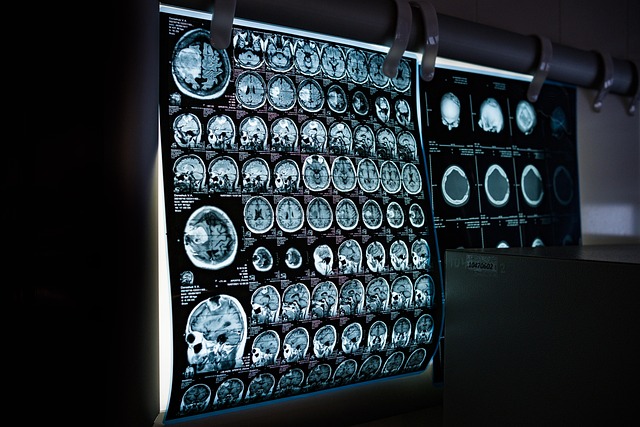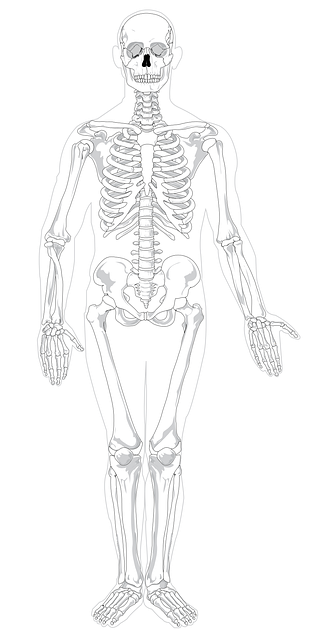







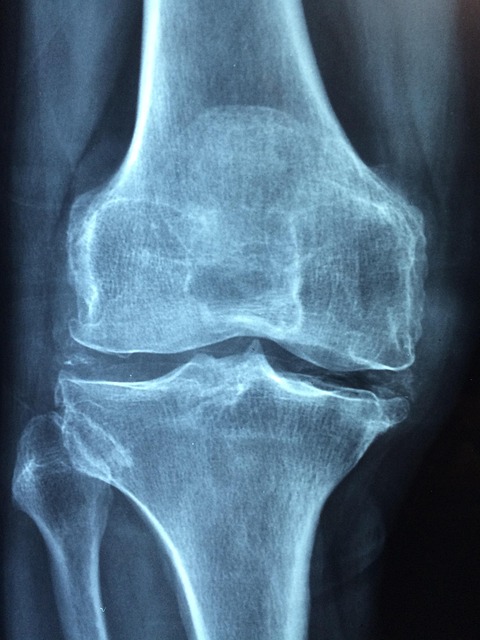
Digital Motion X-rays (DXRs) transform auto injury diagnosis by providing real-time, high-resolution images of dynamic body movements, enabling healthcare professionals to detect subtle abnormalities and misalignments often missed with static X-rays. This technology aids in quicker decision-making during emergency responses and insurance claims, while its detailed visualization enhances vehicle safety standards. DXRs facilitate accurate initial assessments and treatment progress monitoring, leading to improved patient outcomes and tailored rehabilitation plans for complex auto injuries.
Uncover the power of Digital Motion X-rays (DMX) in revolutionizing auto injury diagnosis. This cutting-edge technology offers unparalleled insights into vehicle dynamics, enabling precise identification of instability and potential safety risks. In this comprehensive guide, we demystify DMX, highlighting its advantages in comparing traditional methods. From understanding basic principles to exploring advanced techniques for pinpointing instability, discover how digital motion x-rays are reshaping the future of auto injury assessment.
- Understanding Digital Motion X-rays: A Basic Guide
- Auto Injury Diagnosis: Advantages of Digital Technology
- Pinpointing Instability: Techniques and Applications
Understanding Digital Motion X-rays: A Basic Guide

Digital Motion X-rays, often referred to as DXR, are a revolutionary imaging technology transforming auto injury diagnosis. Unlike traditional static X-rays, DXRs capture and analyze the dynamic motion within the body, providing a comprehensive view of bones, muscles, and soft tissues in real time. This advanced technique enables healthcare professionals to detect subtle abnormalities that might be missed with conventional methods.
In the context of auto injuries, digital motion X-rays offer immense benefits. They can pinpoint instability or misalignment in the musculoskeletal system caused by car accidents, facilitating more accurate and efficient treatment planning. By evaluating the body’s natural movements, DXRs help identify areas of pain and dysfunction, leading to better patient outcomes and faster recovery for those injured in motor vehicle collisions.
Auto Injury Diagnosis: Advantages of Digital Technology

Digital motion x-rays have revolutionized auto injury diagnosis, offering several advantages over traditional film radiography. The ability to capture high-resolution images in real time allows for more precise identification of damage and abnormalities within a vehicle’s structure, from crumple zones to safety features. This technology enables professionals to quickly assess the extent of damage, facilitating faster decision-making processes during emergency responses or insurance claims.
Moreover, digital motion x-rays provide enhanced visualization capabilities, making subtle issues easier to detect. They can also capture dynamic images, showcasing how different components interact and deform during impact, which is invaluable for understanding crash mechanisms and improving vehicle safety standards. This level of detail aids in more accurate repairs and ensures that every aspect of the vehicle is evaluated for potential instability or weakness.
Pinpointing Instability: Techniques and Applications

Pinpointing instability in auto injury cases has seen a significant evolution with the advent of digital motion x-rays. These advanced imaging techniques capture dynamic data, offering a more comprehensive view of internal structures and their movements. By analyzing subtle shifts and misalignments, radiologists can identify instability in joints, muscles, or bones, which is crucial for accurate diagnosis.
Applications extend beyond initial assessments, as digital motion x-rays enable continuous monitoring of treatment progress. This dynamic assessment helps tailor rehabilitation plans, ensuring patients receive the most effective care. For auto injury diagnosis and management, these technologies prove invaluable, providing precise insights into the complex interplay of bodily structures, especially in cases involving soft tissue injuries often overlooked by traditional static imaging methods.
Digital motion x-rays have revolutionized auto injury diagnosis, offering unprecedented clarity and efficiency. By understanding the basics of this technology and its advanced applications in pinpointing instability, healthcare professionals can provide faster, more accurate assessments. The advantages of digital technology in auto injury cases are clear, making it an indispensable tool for modern medicine.