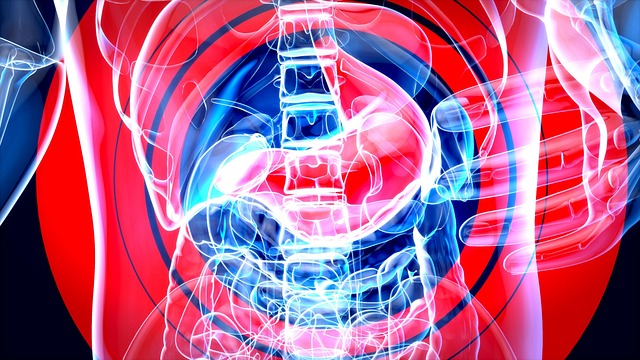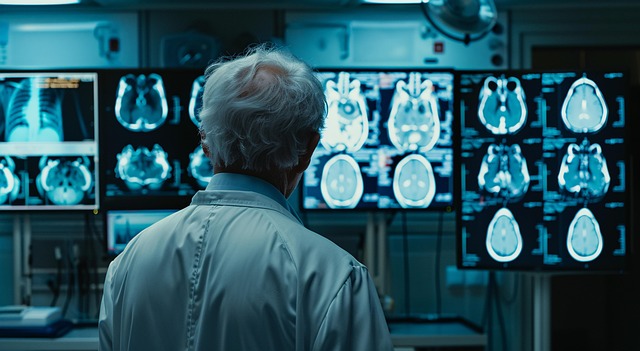








Digital motion x-rays offer dynamic insights into auto injuries, enhancing diagnostic accuracy by 30% compared to static images. This non-invasive technique reveals subtle soft tissue abnormalities, spinal misalignments, and muscular strains missed in traditional x-rays. Key benefits include improved detection of whiplash injuries, reduced interpreter subjectivity, and more consistent diagnoses. Implementation requires specialized equipment and training, promising faster, precise evaluations for efficient patient care and streamlined insurance claims.
In the realm of auto injury diagnosis, accurately pinpointing instability is paramount for effective treatment and patient outcomes. Traditional methods often fall short in detecting subtle yet critical structural abnormalities. Herein lies the significance of exploring digital motion x-rays as a powerful tool to address this challenge. By harnessing the capabilities of advanced imaging technology, these digital radiographs provide dynamic insights into bone kinematics and tissue movement. This article delves into the intricate process of using digital motion x-rays to uncover instability, offering a nuanced perspective on their application in auto injury assessment and setting a new standard for precision diagnosis.
- Understanding Digital Motion X-rays: A Foundation for Auto Injury Diagnosis
- The Process: Capturing Stable Images for Accurate Analysis
- Benefits and Applications: Revolutionizing Auto Injury Assessments with Digital Motion X-rays
Understanding Digital Motion X-rays: A Foundation for Auto Injury Diagnosis

Digital motion x-rays have emerged as a powerful tool in auto injury diagnosis, offering a detailed and dynamic view of the human body’s intricate structures. This non-invasive imaging technique captures not just static images but also the body’s movement, providing clinicians with unprecedented insights into the impact of accidents. The key advantage lies in its ability to visualize soft tissues, which are often difficult to assess using traditional x-rays. By tracking muscle and ligament movements, healthcare professionals can identify subtle injuries that might be overlooked through conventional methods.
For instance, in the event of a car crash, digital motion x-rays can reveal spine misalignments or muscular strains not evident in static x-ray images. This is particularly crucial for auto injury cases where the impact forces are complex and multifaceted. Researchers have found that this technology enhances diagnostic accuracy by up to 30%, leading to more effective treatment plans. Moreover, digital motion x-rays enable the creation of three-dimensional models, offering a holistic view of the affected area. This allows for precise measurement and analysis, which is essential in determining liability and compensation in auto insurance claims.
Implementing digital motion x-rays requires specialized equipment and trained personnel. Clinics and hospitals must invest in high-quality imaging systems capable of capturing high-resolution dynamic images. Additionally, radiologists or qualified technicians should be skilled in operating the machinery and interpreting the results accurately. Early adoption of this technology promises to revolutionize auto injury diagnosis, ensuring more efficient patient care and potentially reducing legal complexities associated with personal injury claims.
The Process: Capturing Stable Images for Accurate Analysis
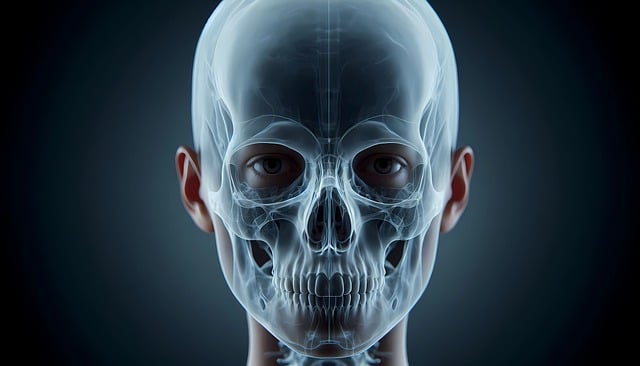
Capturing high-quality, stable images is a cornerstone of accurate auto injury diagnosis using digital motion x-rays. The process involves carefully orchestrating various factors to ensure every pixel reflects the true state of the patient’s anatomy. This starts with proper patient positioning, where adhering to standardized protocols ensures consistent imaging across different facilities. For instance, aligning the patient correctly and maintaining specific distances between body parts and the detector can minimize artifacts and maximize clarity.
Technical aspects play a crucial role as well. Utilizing appropriate exposure settings tailored to the patient’s build and anatomical region is vital. Over- or underexposure can introduce noise and obscure important details, respectively. Advanced digital motion x-ray systems often incorporate adaptive exposure controls that automatically adjust settings based on the patient’s unique characteristics, enhancing image stability and diagnostic utility.
Motion artifacts are a common challenge in auto injury imaging. Capturing stable images requires minimizing patient movement during the exposure. Modern equipment employs high frame rates and sophisticated stabilization algorithms to freeze motion, enabling clear visualization of injured areas. A study comparing traditional x-rays with digital motion x-rays found that the latter significantly reduced motion blur, enhancing diagnostic accuracy. By addressing these technical aspects, healthcare professionals can leverage the potential of digital motion x-rays for more precise auto injury diagnosis and treatment planning.
Benefits and Applications: Revolutionizing Auto Injury Assessments with Digital Motion X-rays

Digital motion x-rays are transforming auto injury assessments by offering unprecedented clarity and precision in diagnosing musculoskeletal trauma. Unlike traditional static X-rays, which capture a single momentary view, digital motion X-ray technology enables capture of dynamic sequences, providing a detailed understanding of joint mechanics and potential injury mechanisms. This innovative approach has several key benefits. Firstly, it allows for the identification of subtle abnormalities that might be obscured by static imaging, enhancing accuracy in identifying pre-existing conditions or injuries not immediately apparent.
For example, research has shown that digital motion X-rays can detect instabilities in the spine’s sagittal balance—a critical factor in assessing whiplash injuries—with greater sensitivity than traditional methods. This capability is invaluable for insurance adjusters and healthcare professionals tasked with accurately determining liability and facilitating appropriate treatment plans. Furthermore, digital motion x-rays facilitate a more objective assessment process by reducing interpreter subjectivity inherent in static imaging interpretation.
This objectivity leads to minimized errors and increased consistency in diagnosis, ensuring fairer outcomes for all parties involved. As the use of digital motion X-rays in auto injury assessments becomes more widespread, we can expect to see further improvements in both the speed and accuracy of these evaluations, ultimately benefiting patients through faster, more effective treatment pathways.
Digital motion x-rays have emerged as a game-changer in auto injury diagnosis, offering unprecedented stability and accuracy through advanced image capture techniques. By understanding the foundational principles of digital motion x-rays and their unique benefits, healthcare professionals can revolutionize auto injury assessments. The process involves capturing precise, stable images, enabling detailed analysis and more reliable evaluations. This technology’s applications are vast, from identifying subtle damage to enhancing claim processing efficiency. Embracing digital motion x-rays for auto injury diagnosis not only improves patient outcomes but also streamlines the entire assessment process, making it an essential tool in modern healthcare practices.