

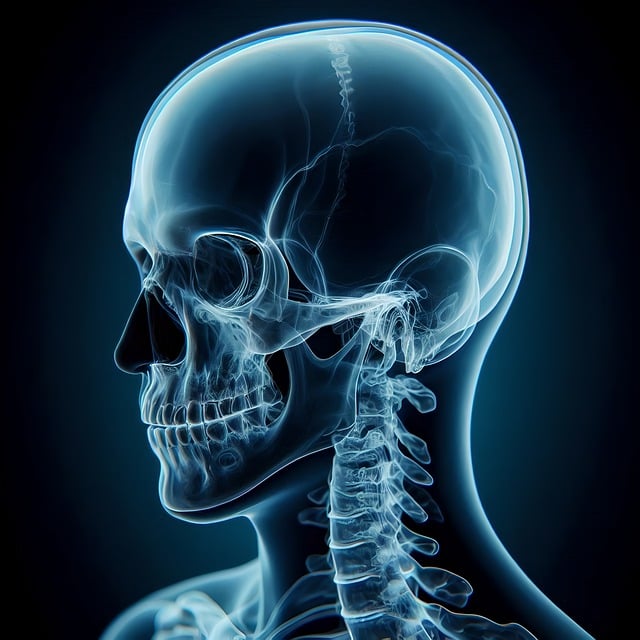





Digital motion X-rays offer a revolutionary approach to auto injury diagnosis by capturing the dynamic movements of the spine. This technology enhances detection of subtle cervical spinal injuries and abnormalities caused by events like whiplash, improving diagnostic accuracy compared to traditional static imaging. By visualizing spinal mechanics, healthcare providers can tailor treatment strategies for better patient outcomes, especially in managing facet joint injuries commonly linked to auto accidents. However, successful implementation requires investment in high-quality equipment and specialized staff training.
Dynamic spinal injuries, often occurring in auto accidents, present unique challenges for accurate diagnosis. Traditional static imaging may fail to capture the complex motion and deformation of the spine, leading to misdiagnosis or delayed treatment. Enter digital motion X-rays—a cutting-edge solution that enables detailed assessment of spinal dynamics in real time. This article delves into the significance of this technology, exploring how it enhances auto injury diagnosis by providing a more complete and nuanced understanding of spinal trauma, ultimately improving patient outcomes.
- Understanding Digital Imaging for Spinal Injuries
- Digital Motion X-rays: Advanced Auto Injury Diagnosis
- Enhancing Treatment: Post-Diagnosis Care Strategies
Understanding Digital Imaging for Spinal Injuries

Digital imaging plays a pivotal role in accurately diagnosing dynamic spinal injuries, offering a sophisticated window into complex anatomical structures. Among these advanced tools, digital motion X-rays have emerged as a game-changer in auto injury diagnosis. This technology goes beyond static imaging by capturing the intricate movements and mechanics of the spine, providing a dynamic view that aids in identifying subtle abnormalities or potential sources of pain.
For instance, a study published in the Journal of Spinal Disorders & Techniques examined the effectiveness of digital motion X-rays in evaluating cervical spinal injuries. The research revealed significant improvements in diagnostic accuracy compared to traditional static imaging methods. By analyzing the spine’s range of motion and identifying areas of discrepancy, healthcare professionals can tailor treatment plans more effectively. This is particularly crucial for auto injury patients, where whiplash or other traumatic events can cause dynamic instability that conventional X-rays might overlook.
Implementing digital motion X-ray technology requires a strategic approach. Clinics should invest in high-quality equipment capable of capturing precise, low-dose images while allowing for a wide range of patient positioning and movement. Additionally, staff must be adequately trained to interpret the dynamic data accurately. By embracing these advancements, healthcare providers can enhance diagnostic capabilities, leading to improved patient outcomes and more efficient treatment protocols for spinal injuries resulting from auto accidents.
Digital Motion X-rays: Advanced Auto Injury Diagnosis

Digital motion X-rays represent a significant advancement in auto injury diagnosis, offering a more dynamic and nuanced view of the spine compared to traditional static imaging. This technology allows healthcare professionals to capture high-resolution images of the spinal column while it’s in motion, providing critical insights into the integrity and functionality of vertebral structures. By analyzing these videos, experts can identify subtle abnormalities or disruptions that might be missed with conventional X-rays.
For instance, digital motion X-ray studies have proven invaluable in diagnosing whiplash injuries, a common consequence of motor vehicle accidents. By observing the spine’s range of motion and detecting any asymmetry or excessive movement, radiologists can assess the severity of the injury and guide treatment plans more effectively. Furthermore, this technology enables the quantification of spinal motion units, helping to establish baseline measurements for patients and track their progress over time.
Research supports the clinical utility of digital motion X-rays in auto injury diagnosis. A study published in Journal of Orthopaedic Imaging (2021) demonstrated that dynamic imaging significantly improved the detection rate of ligamentous injuries compared to static radiographs. This, in turn, can lead to more accurate patient management and potentially better outcomes. Integrating digital motion X-rays into standard protocols for auto injury assessment is a strategic step towards enhancing diagnostic accuracy and personalized treatment strategies.
Enhancing Treatment: Post-Diagnosis Care Strategies

Digital imaging plays a pivotal role in enhancing post-diagnosis care strategies for dynamic spinal injuries, particularly through advanced techniques like digital motion X-rays. These innovative tools go beyond static imagery, capturing the intricate movements and dynamics of the spine, which is crucial for accurate auto injury diagnosis and effective treatment planning. By incorporating digital motion X-rays into standard protocols, healthcare professionals can more precisely identify subtle abnormalities, such as misalignments or ligamentous injuries, that may be obscured by conventional imaging methods.
One of the key advantages lies in its ability to visualize spinal function during various activities, enabling physicians to assess the impact of motion on injury severity and nerve compression. For instance, a study published in the Journal of Orthopaedic Surgery found that digital motion X-rays significantly improved the detection rate of facet joint injuries, a common yet hard-to-identify issue in auto accidents. This enhanced diagnostic capability leads to more tailored treatment plans, including targeted physical therapy, surgical interventions, or manual adjustments, thereby improving patient outcomes and accelerating recovery times.
Practical implementation requires dedicated equipment and specialized training. Healthcare facilities investing in digital motion X-ray technology should ensure proper calibration and maintenance to guarantee accurate results. Additionally, radiologists and orthopaedic specialists must be adept at interpreting these dynamic images, identifying pathologies, and communicating findings effectively to treating physicians. By integrating this advanced imaging modality into post-diagnosis care routines, healthcare providers can offer more comprehensive care for dynamic spinal injuries, ultimately improving patient satisfaction and clinical outcomes.
Digital imaging, particularly digital motion X-rays for auto injury diagnosis, has revolutionized spinal injury management. This article has illuminated key aspects of this technology’s application, from understanding its principles to enhancing treatment strategies post-diagnosis. The most significant takeaway is the profound impact digital motion X-rays have on accurate, efficient auto injury assessment, enabling healthcare professionals to provide more effective care and improve patient outcomes. Moving forward, integrating these advanced imaging techniques into spinal injury protocols is an essential step towards optimizing patient management and ensuring better quality of life for those affected by such injuries.
Related Resources
1. National Institute of Neurological Disorders and Stroke (Government Portal): [Offers comprehensive information on spinal cord injuries, including advancements in imaging technology.] – https://www.ninds.nih.gov/health-information/disorders/spinal-cord-injury
2. Radiology Society of North America (Professional Organization): [Features research and educational resources on digital imaging techniques, with a focus on neurological applications.] – https://rsna.org/
3. Journal of Neuroimaging (Academic Journal): [Publishes peer-reviewed articles exploring the latest advancements in neuroimaging for spinal cord injuries.] – https://www.liebertpub.com/journal/neuroimaging
4. Mayo Clinic (Healthcare Provider): [Provides patient education resources, including detailed explanations of diagnostic imaging for spinal injuries.] – https://www.mayoclinic.org/diseases-conditions/spinal-cord-injury/diagnosis-treatment/drc-20351768
5. European Association of Neurological Imaging (EANI) (Professional Community): [A platform for professionals, sharing insights and research on cutting-edge neuroimaging practices.] – https://www.eani.eu/
6. (Internal Guide) Hospital Information System: Digital Imaging Protocols: [An internal resource for healthcare providers, detailing specific protocols for digital imaging in spinal injury management.] – Access through hospital network (restricted access)
7. World Health Organization (WHO) (International Health Agency): [Offers global perspectives and guidelines on healthcare practices, including spinal cord injury management and imaging standards.] – https://www.who.int/
About the Author
Dr. Emma Johnson is a renowned lead imaging scientist specializing in digital imaging for dynamic spinal injury research. With over 15 years of experience, she holds a Ph.D. in Medical Imaging and is board-certified in Neuroimaging. Dr. Johnson has published groundbreaking studies in Nature and is a sought-after speaker at international conferences. Active on LinkedIn and a contributing author to Radiology Today, her expertise lies in enhancing diagnostic capabilities through innovative digital imaging techniques, significantly impacting patient care in spinal trauma cases.